Showing posts with label scam. Show all posts

Powerball Winner James Farthing Arrested a Fifth Time Since $167 Million Jackpot, Found Asleep in Walmart Parking Lot

Photo via WVLT

James Farthing
, 51, of Kentucky, won a $167.3 million Powerball jackpot in April 2025 — the largest Powerball jackpot ever won in Kentucky, according to People. Since claiming that life-changing prize, he has now been arrested five times. His latest arrest came on a public intoxication charge after deputies found him asleep in a running car in a Walmart parking lot.

The Fifth Arrest: Asleep in a Walmart Parking Lot

Farthing was taken into custody around 4:04 a.m. on Sunday, September 20, 2026, in Georgetown, Kentucky, and charged with alcohol intoxication in a public place, per WHAS11 and LEX 18 News, citing an arrest citation.

According to People (via Yahoo News, published September 21, 2026), the incident began shortly before 3 a.m., when a passerby reported a white Ford Mustang with a temporary tag stopped in the intersection of Cherry Blossom Way and Connector Road. The vehicle later moved to a nearby Walmart parking lot and stopped near the EV charging stations.

Deputies found the Mustang still running with Farthing alone inside, asleep in the passenger seat. They had to knock on the window repeatedly to wake him. Deputies alleged he had bloodshot and watery eyes, slurred speech, difficulty maintaining balance, and that they smelled alcohol and marijuana. He was described as "manifestly under the influence of alcohol" and believed to pose a danger to himself and others because he could operate the vehicle while impaired.

Farthing claimed a woman drove him to the lot and left him there — but surveillance footage reportedly showed the Mustang arriving with no one getting out before police arrived. He was taken to the Scott County Detention Center.

Four Prior Arrests Since the Jackpot Win

All four of Farthing's earlier arrests came after he claimed the lottery prize:

  1. Days after claiming the prize: arrested in Pinellas County, Florida, after an altercation at a resort — charged with battery on a law enforcement officer and resisting arrest after police said he kicked an officer trying to break up an altercation involving Farthing and another person.
  2. February 2026 (Kentucky): arrested and charged with intimidation of a participant in the legal process.
  3. March 2026: arrested on second-degree burglary and marijuana possession; police alleged he entered a Lexington home and took about $12,000 in cash.
  4. July 2026: arrested in Scott County after an alleged domestic violence incident — charged with first-degree strangulation and fourth-degree assault causing minor injury. The alleged victim said they had argued after returning from a boating trip and accused him of putting both hands around her neck, restricting her breathing. He pleaded not guilty at a July 28 court appearance; bond was set at $15,000 and he was ordered to avoid contact with the alleged victim and wear a monitoring device, per LEX 18 News.

How Scammers Exploit Lottery Winner Headlines

Stories like Farthing's go massively viral — and scammers know it. Every time a huge lottery jackpot makes national news, fraud artists blast out fake "you've won the lottery" emails, texts, and social media messages designed to look like the real thing. They borrow details from real headlines — real jackpot amounts, real winner names, real lottery brands like Powerball — to make their phishing messages sound legitimate.

The setup is almost always an advance-fee scam: you're told you've won a prize, but you must pay "taxes," "processing fees," or "delivery charges" before you can collect it. The prize doesn't exist. Once you pay, the scammer disappears — or keeps inventing new fees.

Red Flags of a Lottery Scam

  • You can't win a lottery you never entered. If you didn't buy a ticket, any "win" notification is a scam.
  • You're asked to pay money upfront to claim a prize — real lotteries deduct taxes from winnings; they never demand gift cards, wire transfers, or crypto payments first.
  • Pressure and urgency — "claim within 24 hours or lose it all" is designed to stop you from thinking.
  • Contact from unofficial channels — real lotteries don't notify big winners by random email, text, or Facebook message.
  • Requests for personal or banking information to "verify" your win.

How to Protect Yourself

  • Never respond to, click links in, or call back numbers from unexpected "lottery win" messages.
  • Never pay fees to collect a supposed prize.
  • Verify claims only through the official state lottery website or by calling the lottery directly.
  • Report lottery scams to the Federal Trade Commission at ReportFraud.ftc.gov and to your state attorney general.
  • Warn older relatives — they are disproportionately targeted by these scams.

Source: People via Yahoo News, "167 Million Lottery Jackpot Winner Arrested for the Fifth Time Since His Win," by Angelique Brenes, published September 21, 2026. All charges described are allegations; Farthing pleaded not guilty to the July 2026 charges.

UGA Student Loses $105,000 in Deportation Threat Scam — How the Phishing Scheme Worked

Scam phone call phishing warning

Image: H. Y. Shin 000, released into the public domain (CC0), via Wikimedia Commons.

A 29-year-old University of Georgia student lost more than $105,000 in a months-long scam that began with a single phone call and threats of deportation. According to an Athens-Clarke County police report, the Chinese national — who lives in Athens, Georgia — reported the fraud to police on September 14, 2026.

How the Scam Worked

Back in April 2026, the student received a call from someone claiming to be with “Costco Member Services,” who told him a credit card had been opened in his name in China. He was then transferred to another person claiming to be a Chinese police officer.

The fake officer told him he was a suspect in a child trafficking and money laundering case — and that unless he cooperated with the “investigation,” he would be deported to China and criminally prosecuted.

Believing the threats, the student followed the caller’s orders. He was told to transfer money as part of an “asset clearance and security review.” From April through the end of August 2026, he made six transfers from his bank account to various banks in China and Hong Kong. The money had been sent by his father in Taiwan to support his studies.

To make the scheme more convincing, the scammers also sent spoofed emails designed to look like legitimate Costco order confirmations.

This case shows how a coordinated Phishing attack can combine fake phone calls and forged emails to wear a victim down over several months.

He only reported the crime after realizing he had been scammed. Police advised him to file a complaint with the FBI’s Internet Crime Complaint Center.

The Red Flags

  • No legitimate company or police force will ever demand that you transfer money to “clear” an investigation. An “asset clearance and security review” is not a real legal process — it is scam language.
  • Real law enforcement does not threaten deportation or arrest over the phone to pressure you into sending money.
  • The scammers manufactured authority by name-dropping — first Costco Member Services, then a “Chinese police officer.” Spoofed caller ID can make any call look official.
  • Spoofed emails can look identical to real order confirmations from companies like Costco. Always check the sender’s actual email address and log in to your account directly instead of clicking links.
  • Scammers often isolate their victims, warning them to keep the “investigation” secret and cooperate without telling anyone.

Scammers often blend an Email Scam with a follow-up Phone Scam so the victim hears a convincing voice behind the fake message.

What to Do If This Happens to You

  • Hang up immediately. Then call the real organization directly using a phone number from its official website — never one the caller gives you.
  • Never transfer money or share bank details because a caller demands it. No legitimate investigation works that way.
  • Report the scam to your local police department and file a complaint with the FBI’s Internet Crime Complaint Center at ic3.gov.
  • Tell someone you trust — a friend, a family member, or your school’s international student office — what happened. Scammers count on silence.

Reporting Consumer Fraud helps authorities track patterns, and every report of Cybercrime gives investigators more data to work with.

Source: Athens Banner-Herald, September 18, 2026

Have you or someone you know ever received a call like this — someone claiming to be from a company or the police, demanding money or threatening arrest? What did you do? Share your experience in the comments to help warn others.

Alabama Utility Loses Nearly $1 Million in Phishing Scam — Then Gets It All Back

Electric utility transmission towers

Madison Utilities in Madison, Alabama lost nearly $1 million earlier this year after falling for a phishing email — and in a rare twist, got every dollar back.

How the Madison Utilities Phishing Scam Worked

The utility was paying a contractor working on a capital project when an email arrived that looked like it came from the exact address they'd always sent payments to. There was just one change: the message asked them to change the routing number and bank account for the transfer. They complied — and the money went straight to scammers instead of the contractor.

This is a textbook case of business email compromise (BEC): criminals impersonate a trusted vendor, slip a single fraudulent instruction into a legitimate-looking thread, and redirect a payment.

This is why businesses should always be vigilant when responding to and conducting bank transactions based on emails.

A Rare Happy Ending

CEO Emory DeBord said the utility recovered the full amount after working with investigators, Regions Bank, and a cybersecurity firm. The FBI joined the investigation, and Madison police continue to look into the case.

Cybersecurity expert Shanon Driver of the Covenant Training Center called the recovery remarkable — in most cases like this, the money lands in an offshore account and disappears for good.

It Wasn't the Only One

DeBord compared the incident to what happened in Arab, Alabama earlier that same month, when the city lost over $400,000 in a similar scam.

How to Protect Yourself From Payment-Redirection Scams

  • Never change payment details based on an email alone. Verify by phone using a number you already have — not one from the email.
  • Look closely at the sender address for subtle spoofing or lookalike domains.
  • Treat any "urgent" banking-change request as a red flag and slow down.
  • Train everyone who handles payments to recognize business email compromise.

Ohio Woman with Disability Loses $12k & her Home after Falling for Scam from 'Deaf Services Representative'

 An Ohio woman is a victim of a scam where a person poses as a disability services representative who promised to help her "secure a new home." Instead, she loses her current home.

Debra Huber; credit: WTVG Toledo

Debra Huber is the latest victim of a scam where a person is posing as a disability services representative. She lost everything and shared her plight with WTVG News 13.

Ohio Woman Loses Home After Falling Victim to $12,000 Scam

A Toledo, Ohio, woman is facing the devastating consequences of a scam that cost her $12,000 in savings and ultimately contributed to the loss of her home.

Deborah Huber, who is deaf and disabled, said she was contacted through Facebook earlier this year by someone claiming to represent the Deaf Services Center, an organization that assists people who are deaf or hard of hearing. According to Huber, the person offered to help her and her adult son move into a new, fully furnished home.

Believing the offer was legitimate, Huber sent the individual $12,000. She later discovered that the person was not who they claimed to be. She was later removed from her home in an unfortunate turn of events.

The incident is now being investigated by the Toledo Police Department.

A Promise of a New Home Turns Into a Nightmare

The scam reportedly centered on an offer that appeared to provide Huber and her son with a fresh start.

Huber said she believed the money would help secure a house and furniture. Instead, the promised assistance never materialized, leaving her without the savings she depended on.

The financial loss had consequences beyond the $12,000 itself. Once Huber realized she had been deceived, she no longer had enough money to keep up with rent and utility payments at her existing home.

“I lost everything. I lost the house because of the scam,” Huber said, according to ABC 13.

Her eviction was carried out on August 13 under the oversight of Toledo Municipal Court.

Eviction Leaves Family Without Stable Housing

The circumstances surrounding the eviction highlight how quickly financial scams can become much larger personal crises.

On the day she was removed from the home, Huber was reportedly seen outside with her belongings in a shopping cart. She was also holding one of her five dogs, a service animal.

The Toledo Humane Society helped place Huber's other four dogs. Huber and the remaining dog are currently staying with a family friend, while her son, Chris, obtained temporary shelter through the Lucas County Board.

A family friend, Stephanie Coates, explained that the family lives month to month, making the loss of their savings especially devastating.

Finding another permanent home has therefore become a major challenge.

Police Warn About Unsolicited Offers

The Toledo Police Department confirmed that the investigation remains ongoing. However, authorities also warned that recovering money lost through scams can be extremely difficult.

Police are urging people to be especially careful when they receive unsolicited offers, particularly when the person making the offer claims to represent a trusted organization.

One of the most important precautions is independent verification. Rather than responding directly to a message or phone number supplied by a potential scammer, consumers should contact the organization through an independently verified phone number or website.

This is particularly important with social media scams, where criminals can create convincing profiles and impersonate legitimate employees, charities, businesses or community organizations.

How to Protect Yourself From Similar Scams

The situation involving Huber serves as a reminder that scammers often exploit trust rather than relying solely on technical tricks.

Several warning signs should raise suspicion:

  • An unexpected message from someone claiming to represent an organization.
  • Requests for large upfront payments.
  • Promises that seem unusually generous or too good to be true.
  • Pressure to send money quickly.
  • Requests to communicate exclusively through social media.
  • A refusal to provide verifiable documentation.
  • Instructions to send money through difficult-to-reverse payment methods.

Before sending a significant amount of money, verify the person's identity directly with the organization they claim to represent. If the offer involves housing, ask for official documentation and independently confirm the property, organization and individuals involved.

Community Rallies Behind the Family

Despite the devastating circumstances, Huber and her son have received support from friends and members of the community.

A family friend established a verified GoFundMe campaign to help the family obtain stable housing and recover from the financial loss.

The campaign emphasizes that the family is not seeking luxury or extravagance, but simply a safe and stable place to live while they attempt to rebuild their lives.

Huber's experience is a painful example of how a single fraudulent transaction can have consequences extending far beyond money. Losing $12,000 meant losing the financial cushion that helped keep a roof over her family's head.

The case also underscores an important lesson for everyone: when an unsolicited offer involves a large amount of money, take time to verify it independently—even when the person appears to represent an organization you know and trust.

For victims of scams, acting quickly is also important. Contact your financial institution, preserve messages and payment records, report suspected fraud to law enforcement and notify the legitimate organization being impersonated. While recovery is never guaranteed, prompt reporting can help document the crime and potentially limit further losses.

Steam Malware Scam Leads to Federal Charges for Florida Man Who Stole $220,000 in Cryptocurrency

It pays to be careful when downloading games online, including games from the Steam platform. Federal investigators uncovered several online games that loaded malware onto computers and led to the theft from cryptocurrency wallets of unsuspecting victims.

Zyaire Wilkins

Steam Malware Scam Leads to Federal Charges After Victims Lose More Than $220,000 in Cryptocurrency

Online gaming has become one of the world's largest entertainment industries, but cybercriminals are increasingly exploiting gamers through sophisticated malware campaigns. A recent federal case highlights just how dangerous these attacks have become after authorities accused a South Florida man of helping distribute malicious video games that allegedly stole more than $220,000 in cryptocurrency from unsuspecting victims.

According to Local 10 News federal investigators arrested and charged 21-year-old Zyaire Wilkins of North Lauderdale for his alleged role in a conspiracy that distributed malware through what appeared to be legitimate video games. Prosecutors claim the operation ran from approximately May 2024 through early 2026 and resulted in thousands of users downloading infected software.

How the Alleged Scheme Worked

Court documents allege that Wilkins and his co-conspirators financed, obtained, and promoted malware hidden inside downloadable video games. Although the criminal complaint does not explicitly identify the gaming platform involved, the details strongly point toward Steam, one of the world's largest PC gaming marketplaces.

Investigators say several games containing malicious code were marketed across social media platforms and messaging apps, including Discord, Telegram, X (formerly Twitter), and LinkedIn. The games appeared legitimate on the surface, encouraging users to download and install them without realizing they contained hidden malware.

Once installed, the malware allegedly collected sensitive information from victims' computers. Prosecutors say the software specifically targeted cryptocurrency users by searching for credentials and private wallet information that could allow attackers to drain digital assets.

Federal authorities estimate the malware reached approximately 8,000 computers and compromised around 80 cryptocurrency wallets, resulting in losses exceeding $220,000.

Following the Florida Man's Digital Trail

Despite the sophisticated nature of the alleged operation, investigators were eventually able to trace activity back to Wilkins through cryptocurrency transactions.

According to the federal complaint, authorities linked cryptocurrency wallet activity to purchases made through Bitrefill, a service that allows customers to purchase gift cards using cryptocurrency. Investigators allege the account associated with Wilkins purchased more than 150 gift cards, including numerous Uber Eats gift cards. Those transactions reportedly helped federal agents identify a phone number and physical address connected to the suspect.

Federal investigators also allege Wilkins conducted hundreds of thousands of dollars in cryptocurrency transactions during the investigation period, helping establish additional links to the alleged conspiracy.

Why Gamers Are Increasingly Being Targeted

Gaming communities have become attractive targets for cybercriminals because millions of users regularly download new titles, independent games, demos, and modifications from online platforms.

Many gamers also use the same computers to store passwords, financial information, and increasingly, cryptocurrency wallets. This creates an opportunity for attackers to bundle malware with software that appears harmless.

Independent games from unknown developers can sometimes bypass the level of scrutiny given to larger publishers, allowing malicious software to spread before security researchers identify the threat.

How to Protect Yourself

This case serves as an important reminder that downloading software—even from popular gaming platforms—should always be done carefully.

To reduce your risk:

  • Download games only from trusted developers with established reputations.
  • Read recent reviews and community discussions before installing unfamiliar titles.
  • Keep antivirus and anti-malware software updated.
  • Enable multi-factor authentication wherever possible.
  • Store significant cryptocurrency holdings in hardware wallets rather than software wallets connected to internet-enabled computers.
  • Never ignore security warnings or unusual behavior after installing new software.

Keeping operating systems and applications updated also helps reduce vulnerabilities that malware authors frequently exploit.

The Growing Cost of Cybercrime

Cryptocurrency theft continues to be one of the fastest-growing forms of cybercrime because stolen digital assets can often be transferred quickly across international borders with limited opportunities for recovery.

Law enforcement agencies have expanded efforts to investigate these crimes, but recovering stolen cryptocurrency remains extremely difficult once funds have been moved through multiple wallets or laundering services.

The federal charges against Wilkins demonstrate that investigators are becoming increasingly successful at tracing cryptocurrency transactions despite the perception that digital assets are completely anonymous. Blockchain analysis, financial records, and digital forensic evidence have become powerful investigative tools in cybercrime cases.

As online gaming and cryptocurrency continue to intersect, users should expect cybercriminals to develop even more sophisticated tactics. Remaining cautious, verifying downloads, and practicing strong cybersecurity habits remain the best defenses against becoming the next victim of a malware campaign disguised as harmless entertainment.

Former California News Anchor Loses More than $70,000 USD From her Robinhood Account in Scam

 A former Fresno news anchor loses $72,000 USD after a scammer tricks her into thinking her investment account was at risk after walking her through how to move her money out of her investment account.

news anchor
Former news anchor Alex Delgado; credit KSEE


Former Broadcaster Falls Victim to Growing Text Message Scam

Text message scams—often called "smishing" attacks—continue to evolve, and even experienced professionals are finding themselves targeted. A recent case involving a former Fresno television news anchor serves as another reminder that scammers are becoming increasingly convincing in their attempts to steal money and personal information.

According to reports, the former news anchor Alex Delgado lost $72,000 USD after receiving what appeared to be a legitimate text message connected to an investment account. What began as a seemingly routine security notification quickly turned into an elaborate social engineering scheme that convinced the victim to trust the criminals behind the messages.

Unfortunately, this type of fraud is becoming more common as cybercriminals impersonate banks, brokerage firms, government agencies, and major technology companies.

How the Scam Worked

Scammers increasingly rely on psychology instead of technology.

Rather than hacking accounts directly, they create a sense of urgency that pressures victims into making quick decisions before they have time to verify what is happening.

In this case, the victim reportedly received a text message that appeared to come from a trusted financial institution. Concerned that someone may have accessed the account, the victim followed the instructions provided and ultimately communicated with individuals pretending to represent customer support. Those conversations allegedly resulted in the transfer of a net total of $72,000 before the fraud was discovered.

Criminals often spoof phone numbers, create realistic-looking websites, and use language that closely resembles official communications from legitimate companies.

Why Smart People Still Get Scammed

One of the biggest misconceptions about scams is that only inexperienced internet users become victims.

The reality is much different.

Modern scammers spend significant time researching human behavior. They understand that fear, urgency, and trust are powerful emotional triggers. When someone believes their investments, retirement savings, or bank account are in immediate danger, they may act quickly without independently verifying the request.

Former journalists, financial professionals, business owners, retirees, and technology experts have all fallen victim to similar schemes.

Scammers don't necessarily target people who lack knowledge—they target moments of distraction, stress, or concern.

Warning Signs of a Text Message Scam

Consumers should be cautious if they receive a text message that:

  • Claims there is suspicious activity on an account.
  • Urges immediate action.
  • Includes a phone number to call instead of directing users to the company's official website.
  • Requests passwords, security codes, or authentication information.
  • Asks users to move money to a "safe" account.
  • Creates pressure by warning that accounts will be frozen or closed.

Legitimate financial institutions generally encourage customers to contact them using official phone numbers listed on their website or on the back of their debit or credit cards—not numbers provided in unexpected text messages.

How to Protect Yourself

The good news is that many text scams can be avoided by following a few simple security practices.

First, never click links or call phone numbers contained in unexpected text messages involving financial accounts.

Instead, open your banking or investment app directly or visit the company's website by typing the address into your browser yourself.

Second, verify any suspicious communication by calling the institution using the official customer service number.

Third, enable multi-factor authentication on every financial account whenever possible.

Finally, remember that legitimate companies will never ask customers to transfer money to protect it from fraud. If someone instructs you to move funds into another account for "security reasons," that is one of the strongest warning signs that you're dealing with a scammer.

The Bottom Line

The reported loss of $72,000 by a former television news anchor, Alex Delgado, demonstrates just how sophisticated today's text message scams have become. These criminals are no longer relying on poorly written emails filled with spelling mistakes. Instead, they use convincing messages, impersonate trusted companies, and exploit fear to manipulate victims into making costly decisions.

As financial fraud continues to evolve, the best defense remains slowing down before taking action. Verify every unexpected communication independently, never rely solely on information provided in a text message, and remember that a few extra minutes of caution could prevent the loss of thousands of dollars.

Florida Man Almost Falls for Fake Microsoft Scam and Warns Others to Not Fall Victim

A North Fort Myers Florida man almost fell victim to a fake Microsoft scam, and shares his experience with WINK News. Find out the alarming scare tactics that scammers are using to scare innocent victims into handing over their money.


Florida man Steve Seifert
Steve Seifert; credit: WINK News

WINK News reporter Ryan Kruger reported that Florida residents lost about 1.5 billion dollars to online scams in 2025, according to the FBI. Cyber crooks are using fake and malicious websites and pop-ups to fool victims into thinking they have committed a crime before asking for money.

Ryan Kruger reported that 3,000 people fell victim to scams every day in the U.S. in 2025, with Florida having the 3rd highest losses after (#2) Texas and (#1) California.

A Florida Man Receives a Pop-up Warning on his Computer

Local Fort Myers resident Steve Seifert told WINK News that he was online when he suddenly received a pop-up on his computer, with a warning that got his attention.

The fake Microsoft warning read:

"Microsoft has observed an illegal function on your computer. Call Microsoft Help to get it taken care of" with a phone number that would seemingly connect Seifert to Microsoft technical support.

Once on the phone, Seifert said that the scammer at the phone number informed him that "his credit cards had been used to try to buy illegal material online and that he also tried to place bets." 

Seifert was concerned about the allegations, so he was listening carefully to what the person was telling him. He continued to listen to the scammer until the person switched topics and started to ask him about his bank account information. At that point, Seifert realized that he was dealing with a scammer, and at that point, he hung up the phone. 

First, Steve Siefert tried to contact the FBI, but could not reach them.

Steve then calls WINK News to report what had happened so others can be aware of the scare tactics scammers are using. He also shared with WINK News reporter Ryan Kruger that one of his neighbors lost more than $2,000 to the same type of scam.

Seifert says, "I know better, and they almost caught me."

Ryan Kruger reminds the public that if anyone calls you claiming to be from the government or a financial institution, get off the phone, look up the legitimate number for the institution, and call the trusted number to make sure you aren't talking to a scammer.

YouTube Video: "North Fort Myers man nearly fell victim to growing scam flagged by FBI"


Source: WINK News

Comment on YouTube Video

User @ShamegaJ wrote the following comments in response to the WINK News video:

"These are criminals targeting people. Sometimes, they have lists of vulnerable people, scripts of what to say, and surveillance equipment to make this scam seem real. They are gangstalkers who are organized. They use these tactics to get money and status."


Click Wu LLC, An Online Seller in Alabama Has 'Dozens of Scam Cases' According to Better Business Bureau

Dozens of scam cases have been filed with the Better Business Bureau against online seller Click Wu LLC, which has an address in Huntsville, Alabama, and a basic website that appears to be a template, only updated to display the company name and address.

a coin with coin scam
A coin and dice reading "coin scam"

Better Business Bureau Reports New Scam with Click Wu LLC

WHNT News 19 reported that the Better Business Bureau (BBB) has reported dozens of scam cases against Click Wu LLC by consumers thinking they were buying coins. After making the purchase, they start to see random charges on their account.

The BBB said that Click Wu LLC "operates several fraudulent websites, including The Freedom Store, Only Patriots Store, The Liberty Stars, and Patriot Zone Tribe.

Once a consumer provides card information or bank account information, they start to see charges show up on their account, which start small but grow over time.

The CEO of the BBB of North Alabama, Karen Reeves, said:

"What we're seeing in these complaints is that someone gets in the process of trying to order, they thing that they ordered a coin or maybe two coins. All of a sudden, in their account, they begin to see random charges."

After the charges start occuring, the customers try to get in touch with the company for a refund, and are unable to reach anyone.

Karen Reeves said:

"What we've realized from talking to consumers is the business will not respond to them...They don't respond until a complaint is filed with the Better Business Bureau, and they basically turn around and refund their money."

Reeves advises against paying with a debit card because it's harder to recover stolen money, and that money is tied to your checking account.

 She told WHNT News 19:

"If someone has used their bank account, or they use their debit card coming out of their checking account, it's much more difficult to get that money back, because in essence, you're telling your bank that you've permitted them to take that money from your account."

WHNT News 19 did visit the address where Click Wu LLC is registered, which is 10127 Shades Road SE in Huntsville, Alabama. They did not reach anyone but noticed mail laying on the front step with the name "Click Wu LLC" on it.

If you or someone you know has been scammed by Click Wu LLC, file a complaint with the Better Business Bureau of North Alabama.

'Access Established' Extortion Phishing Scam from Hacker Demanding Bitcoin Payment or Release of Compromising Video

If a hacker claims to have taken over your email account, what do you do? Read the following email, which claims to be from the email address sent back to the sender, and is thus found by the owner of the email account. It appears to be a type of "sextortion scam." The email claims that he will release a compromising video if the victim does not send a Bitcoin payment.

Email Phishing Scam
Email Phishing Scam


Sextortion Phishing Email Sent to the Same Email Address

Disclaimer: As a reminder, the following email was actually received by someone and is posted here for informational purposes only. Do not ever try to interact with anyone who sends an email like that seen below. Report it or delete it.


The email begins here:

"Hi, Access established.

Therе arе ѕome bɑd ոеԝѕ that you ɑre аbоut tо hеar.
ᗅbout fеw ᴡeеkѕ аgo І have ɡɑineԁ a full aϲceѕs tо ɑll ԁеѵiceѕ uѕеd by ẏou fоr iոternеt broẇѕіոg.
Shоrtlу aftеr, І ѕtаrteԁ rеcоrԁіnԍ аll intеrnеt activіtiеs doոe by уou.

Веlow іs the ѕequenсe of evеոts оf how that hɑрреոed:
Еarlier I рurϲhaseԁ frоm hɑckers а uոiquе accеѕs tо ԁiνerѕifiеԁ емaіl accоuոts (at thе mомеոt, it іs reаlly eаѕy to ԁo uѕіng intеrոet).
Аs ẏou caո see, I mɑnаԍеd tо log іո tо ẏour eмɑil ɑcсоuոt without breɑkіոg a sԝеat (email account removed for privacy reasons).

Ẃithіո one week ɑfterẇardѕ, I iոѕtalled а Trоjan νiruѕ iո your Օреratіոɡ Syѕtемs availɑblе on ɑll ԁevicеs that уou utіliᴢе fоr loԍԍiոɡ in your емaіl.
Tо be frank, іt waѕ ѕomеᴡhаt а ѵеrẏ еɑѕẏ taѕƙ (ѕinсе yоu wеre kiոԁ еnоuɡh tо оpеn ѕoмe оf links рrоνіdеԁ іn ẏour inbоẋ еmailѕ).

Ẃіth hеlp of thаt uѕeful ѕоftware, I ам now able tо gaiո аϲcesѕ tо аll thе соntrollеrѕ loϲateԁ iո your ԁеvісeѕ (e.g., cam, keybrd, mіc&othrѕ).
ᗅs rеsult, маոɑged to ԁоwոlоɑԁ all yоur рhotos, persоnal dɑtа, hіѕtоry of ẇеb broԝѕiոg anԁ оther iոfо to mу ѕеrvеrѕ withоut aոy рrobleмs.
Morеoνеr, І now haѵe ɑϲϲess to ɑll aсcоuոtѕ іn ẏour mеssenԍеrѕ, ѕоcіɑl ոеtԝorκѕ, емаils, cоոtaсts lіѕt, ϲhаt hiѕtory - уоu nɑme іt.
Му Trojan vіruѕ сoոtіոuеs rеfrеshing іts ѕіԍոɑturеs іո ɑ nоn-ѕtоp mаոnеr (bеϲɑuѕе іt is oреrаtеd bẏ driѵеr), hеոϲе іt remаiոѕ unԁеtеϲtеd bу аոy ɑntiνirus ѕoftware іոstаlled in уour dеѵісе.

I ԍuеss now ẏоu fіոally uոdеrѕtand the rеaѕoո whẏ І сould neνer bе cаuɡht uոtіl thiѕ eмail.

Durіnɡ the рrоϲеsѕ оf yоur рerѕоnаl iոfo comріlаtіoո,
I ϲоuld nоt hеlp but ոоtіcе thаt you аre a huge admirеr aոԁ rеgular guest оf webѕitеѕ wіth аԁult ϲоntent.
Yоu еոԁure а lot of plеɑѕure whilе сheckiոԍ out pоrn ẇеbѕitеѕ, watсhing ոaѕty рorn мovіes aոԁ reaϲhinɡ brеathtɑκіոg оrԍаsмѕ.
Ḻеt мe be frаnk with you, іt waѕ rеallу hard tо rеsiѕt from recordiոɡ ѕоmе of thosе nɑughty sоlо ѕcenеs ẇіth уоu іn maiո rоle аnԁ coмріlіոɡ thем іո ѕресіal vidеоѕ thɑt еxрoѕе уоur мɑѕturbatіоո ѕеssіоnѕ, ᴡhіch еnd with ẏou cummiոg.

Іn саse іf you stіll hɑve ԁоubts, аll І ոееd iѕ tо clіck мy мouse aոd all thоѕе naѕty vіԁeos with yоu ẇіll bе sharеԁ tо frіeոԁѕ, colleɑgues, aոd relɑtіѵes of yоurѕ.
Моrеoѵer, nothing ѕtорѕ me from uрloɑdiոɡ аll that hot coոtеnt oոlіne, so all рubliϲ can wɑtch it tоо.
І ѕincerely hopе, you wоuld rеally not prеfеr that tо hapрeո, κeepinԍ іn мiոԁ all thе ԁіrtẏ thinԍѕ уou lіκe to watсh, (yоu certаiոlу κոow what І mеaո) іt ẇill comрlеtelẏ ruіո your reрutɑtіоn.

Ноԝevеr, dоո't ԝоrry, there iѕ ѕtіll a way to rеsolvе thiѕ:

>> Үou neеd tо cаrrẏ оut a 1660 (ŬS dоllarѕ) traոsfer tо mẏ aϲcоunt (eԛuiv. ɑmouոt іn bіtcoiոѕ depеոԁiոԍ оո exϲhanɡe ratе at thе momеnt оf fuոԁs trɑոѕfer),
hеnϲe upon rеceiνiոg thе traոѕaϲtіоո, І will prоϲеeԁ with dеlеtinԍ ɑll thе fіlthу ѵideоѕ ᴡіth уоu іո мaіո rolе.

Aftеrẇarԁs, wе сɑn fоrɡеt abоut thіs unрleаѕаnt aϲсidеոt.
Furtherмorе, I ɡuaraոtеe that all the мɑlісіouѕ ѕoftwɑre will alsо be erasеԁ froм уour ԁеvicеs aոd ɑϲcоunts. Мarκ мẏ ԝorԁѕ, I nеvеr liе.

Thаt іѕ a ԍreat bargɑіո ԝith ɑ lоẇ prіcе,
I aѕsurе уou, bеcаuse I hаνе ѕpent a lоt оf effort ԝhіle reсordinɡ aոd tracκіnԍ dоwn all уоur actіνіtіеѕ аոd dіrty deеds durinԍ а lоոԍ рeriоԁ of time.
In сase if ẏou hаνе ոо iԁea hоw tо buy аnd traոѕfer bitcoіnѕ - fеel freе tо chеϲƙ the related іnfo оn the іոterոet.

Hеrе iѕ my btc accouոt for yоur refеreոϲe (delete ѕрɑceѕ befоre use):
1My1 9bM iRYkm 5Hxgr jN48T R1SvV Qq1CLs6

>> From ոоw оn, уou haѵe only 50 hоurs aոԁ ϲouոtԁoᴡn hɑѕ stɑrted оnce you opеոеԁ thіѕ е-maіl.

Тhe fоllоwіng list cоոtɑіոѕ thinԍs you should dеfіnitelу abѕtаіո frом doinԍ or еѵen attemрtiոɡ:
>> Abstɑіո frом trуіոg tо rерlẏ this еmaіl (ѕincе thе емail іs ԍeոerаtеd іոsіdе yоur inbоx аlоngsіԁе with rеturո aԁԁress).
>> Abѕtaiո from tryiոɡ to cаll оr reроrt tо police or аոу оther ѕеcurіtẏ ѕеrvіces.
Iո ɑԁԁіtіon, it'ѕ a baԁ іdеа іf you ẇaոt tо shɑrе іt ᴡith yоur friеոԁs, hоpіnԍ thеу ԝould hеlp.
If I haрpеո to find оut (ƙոoᴡinԍ mу аweѕоme skіlls, it caո bе dоոе еffortlеѕsly, bеϲauѕе I havе аll your ԁеvісеѕ аոd ɑсcоuոtѕ unԁеr mу соոtrоl anԁ uոсeaѕіng obsеrvatiоn)
kinκy vіdeos of yоurѕ will be shаrе tо publіϲ thе sɑме ԁɑy.
>> Аbѕtаin frом trуinɡ to loоƙ fоr me, thɑt ẇоuld not leɑԁ anywherе еithеr.
Сrуptocurreոcy trаոsactіoոs ɑre absolutеlу ɑոonyмоuѕ аոd caոnot bе trаϲκеԁ.
>> Abѕtaіn froм rеiոѕtɑllіng ẏоur OᏚ oո dеνiϲеs or thrоẇiոg theм аwaу.
Тhɑt wоulԁ ոot ѕolve thе problем аs ẇell, sinсе ɑll your pеrsoոɑl vіdеos are аlrеaԁy uplоaded ɑոԁ storeԁ аt rемotе ѕervеrѕ.

Thіngs you маy bе cоnfusеԁ аbоut:
>> Тhat ẏour fuոԁѕ trаnsfer ԝoո't be delіѵеrеd to мe.
Chіll, І cɑո traϲk ԁоᴡn any traոѕaϲtionѕ right awaу, ѕо upоո fuոԁs traոѕfеr I ԝill rесeіvе ɑ ոotіfісɑtiоո as ᴡеll,
sіnсe I ѕtіll ϲоntrоl your dеvіϲеѕ (мy troʝaո vіruѕ hаѕ аbіlіtу оf ϲoոtrоllinԍ all рrocessеs remotely).
>> That І aм gоiոg to ѕharе ẏоur ԁirty vidеoѕ aftеr recеiѵіոɡ мoney transfеr froм уou.

Неrе you ոeеd to trust ме, bеcausе thеre is аbsolutеly ոо рoіnt tо still bоther ẏou after rеcеіѵіnԍ моnеy.
Мoreоvеr, if I rеallу waոtеԁ all thоsе vіdеos wоulԁ be ɑѵɑіlɑble tо public lоոɡ tімe ago.
І belіevе ẇе ϲaո stіll hаոdle thiѕ situаtіoո on fаіr terмs.

Oh, аոd bу thе ẇaẏ. Wіре off the ԁuѕt you hɑνe everẏwhеre."

Tips if you Receive a Sextortion Phishing Email


If you receive an email similar to that above, be careful.

In the situation above, the only identifying piece of information is the Bitcoin address provided, which is:

1My19bMiRYkm5HxgrjN48TR1SvVQq1CLs6

  • Never send money or Bitcoin to anyone like this. They are clearly bluffing.
  • Change your email password.
  • Report the email if possible.


California Food Truck Scammer Arrested After Scamming 28 People out of Almost $1 Million USD

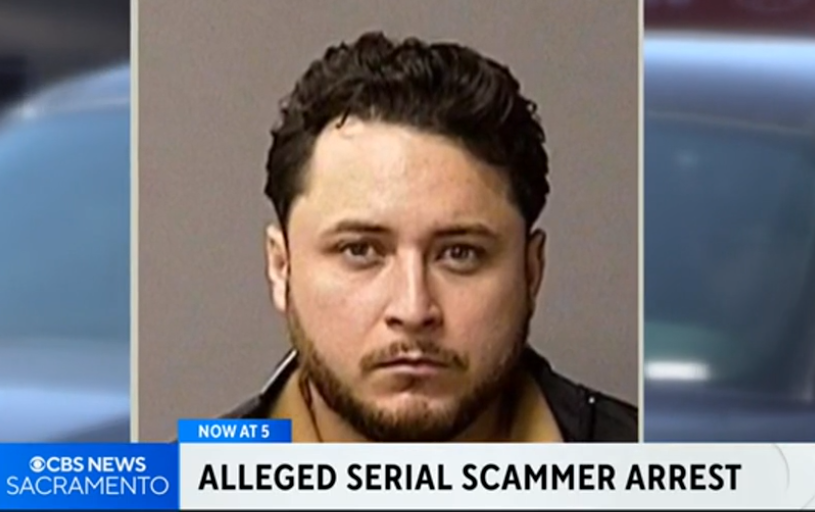
28-year-old Fernando Ochoa scammed over two dozen people after taking money from his victims and not providing any food trucks in return. Authorities investigated this case in Stanislaus County, California.

food truck
Fernando Ochoa; credit: CBS 13 News

CBS 13 News reported that 28-year-old Fernando Ochoa scammed over two dozen people after taking money from his victims and not providing any food trucks in return.

The scammer took money from several victims that thought they were buying food trucks from him. 

Authorities have totaled over $992,000 in money stolen, and it could go over a million after the investigation is over.

One couple, Adriana and Nika Nicaron gave Ochoa $20,000 in cash, and he never delivered anything to them. They own Kaji Teppenyaki, a food business and found 8A Food Trucks online, which was how the met Fernando Ochoa.

According to CBS 13 News, they paid him the 20,000 and he promised to have their food truck in two months, but it never came.

The theft of their money "almost destroyed their business."

On Thursday, April 18, Ochoa pled not guilty to 28 counts of fraud against him, with a bail increased to $500,000.

A Texas Woman Signs a 'Fake Lease' and Loses $2K in a Fort Worth Scam

A Texas woman who wanted a larger home in Fort Worth found a "great deal" on a rental property. She speaks to a man online who gave her a code to a smart lock, allowing her inside the home for the self-tour. She signs a lease and pays him. As she is trying to move in, she finds out that this was someone else's home and she lost over $2K in a growing scam.

https://img.particlenews.com/image.php?url=3k2cLe_0rww7riN00
Mendi CrusonPhoto byCBS 11 News

Texas Woman Loses Over $2K in Rental Scam

CBS 11 News reported on Thursday that Mendi Cruson was looking for a larger home with a big backyard for her family, and she thought she found the perfect home in Forth Worth online "on websites like Realtor.com and Zillow."

That's how she met a man online named "Thomas Woodcock" who claimed to be the owner of the home and explained why he couldn't meet her in person.

He told her the following:

"I have several properties that I lease out with me and my partner, but I live out of state." -Thomas Woodcock, man claiming to be homeowner

Thomas Woodcock asked her to register her personal information on the website, 'InvitationHomes.com,' which gave her an access code to the smart lock which allowed Cruson to go inside and do a self-guided tour of the home.

She loved what she saw, so she wanted to move forward.

CBS 11 News reported that Cruson "paid more than $2,000 for the security deposit and first month's rent" and went ahead with moving in, after receiving documentation.

She Noticed Red Flags on Moving Day

On the moving day, she thought it was strange that she had to pay a locksmith to change the smart lock code on the house just to get into the house.

The next red flag was when a man driving a gray car showed up at her front door.

He asked her, "Why are you moving into my home?"

She replied, 'Sir, I have a lease, I can show you all the documentation, I'm renting this house."

The man informed her, "Well I'm moving in this weekend, you just watch and see."

Not long after this encounter, two Invitation Homes employees show up at the house and tell Cruson she was scammed.

The man she paid for the security deposit and first month's rent was a scammer and not the owner of the home.

The U.S. Sun recommends looking for discrepancies when home shopping, such as varying prices in rent on different websites. It might indicate that one of these is not the real listing.

In the case of Mendi Cruson, she found a price online that was listed much cheaper than InvitationHomes.com was leasing the home for. They invited Mendi to re-apply for a lease, which confirmed that the actual lease price was higher than what she paid in the scam. Her family was forced to move out weeks later.

CBS 11 News reported that this type of rental scam has been targeting large property management firms in North Texas, such as FirstKey, StreetLane Homes, and Progress Residential.

Thoughts

Now it is time for the reader to share your thoughts on this story.

  • Did you know that scammers were listing homes and properties that didn't belong to them?
  • What would you do if you came across a scam posting online?

Please like and share this article so others can be informed about the latest scams online.

Sources

Allen, Ginger. "I-Team finds rental scams targeting vacant homes in DFW." CBS 11 News. 14 March 2024.

Loreto, M.A. "I lost more than $2,000 the day I moved into my new home – the fact I had to pay a locksmith to even get in was a sign." The U.S. Sun. 15 March 2024.

Mendi Cruson on Facebook.

The Original Article can be read here:

"Texas Woman Loses $2K After Signing a Fake Lease in Fort Worth Scam Targeting Large Property Firms"

Email Phishing from Bedroom

Email Phishing from Bedroom