Huntsville Trafficking Suspect Arrested Again as New Victim Is Added to Meteor Buffet Case

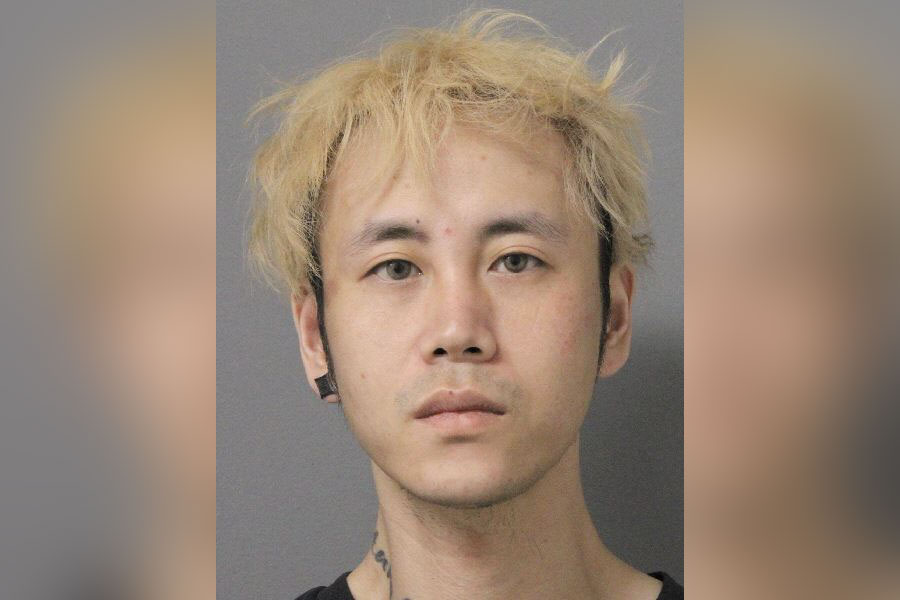
Caiyun Chen mugshot over police lights background
Mugshot via Madison County Sheriff's Office

The Initial Charges (August 27, 2026)

On August 27, 2026, Huntsville police, the FBI, and several other agencies raided six locations — including the Meteor Buffet on Highway 72 East — in an operation dubbed Operation Meteor Strike. Three people were arrested and booked into the Madison County Jail: 51-year-old Caiyun Chen on first-degree human trafficking, 64-year-old restaurant owner Chao Bin Zhang on conspiracy to commit a crime, and 44-year-old Baudilio Ordonez-Gomez on conspiracy to commit a crime.

Investigators say the case began when a woman came forward saying she had been brought to Huntsville, Alabama and forced to work for roughly two years to pay off a debt, under threat of deportation.

How They Bonded Out

All three eventually got out. Zhang bonded out the Friday morning after his arrest. Chen, who initially had no bond set, was later released on a $100,000 bond. Ordonez-Gomez was held on a $30,000 bond. Zhang later waived his preliminary hearing on September 16, 2026, sending his case toward a grand jury.

The New Charges (October 2, 2026)

On Friday night, October 2, Huntsville police arrested Chen again — this time on a new first-degree human trafficking charge tied to an additional victim in the same case. No bond was set this time, and she remains in jail, according to a WAFF report published October 3, 2026.

All three defendants are presumed innocent. The charges are allegations, and none of the cases has gone to trial.

The Meteor Restaurant is at the Center of It All

Meteor Buffet is a Chinese buffet restaurant at 751 Highway 72 East in Huntsville. Like most buffets, it employed kitchen workers behind the scenes and servers and cashiers up front — and the labor-trafficking investigation has centered on how some of those workers were treated. Investigators say the victim in the case was forced to keep working to pay off a debt, a pattern known as debt bondage.

Meteor Buffet restaurant building in Huntsville, Alabama
Meteor Buffet, Huntsville, Alabama

The 2019 Crab-Legs Brawl

This is not the first time Meteor Buffet made headlines. In 2019, the restaurant went viral after a brawl broke out over crab legs: diners John Chapman and Chequita Jenkins were arrested after allegedly fighting with serving tongs like fencing swords while waiting in line. Huntsville police officer Gerald Johnson, who happened to be eating there, told WHNT that plates were shattering and “there’s a woman who’s beating a man.” Jenkins was charged with third-degree assault and Chapman with disorderly conduct.

Why This Matters for Scam Awareness

Labor trafficking cases often begin the way many scams do: false promises. Victims are lured with offers of steady work and decent pay, then find wages withheld, movements restricted, or documents taken. If a job offer demands your passport, charges fees just to start work, or refuses to put terms in writing — walk away. It is a textbook scam awareness lesson. This remains a developing crime news story from October 2026, and investigators say more charges are possible. Anyone with information about labor trafficking can contact the National Human Trafficking Hotline at 1-888-373-7888.


Alleged $126 Million Fake-Postage Scheme: How One Website Sold Millions of Bogus Shipping Labels

U.S. mailbox with flag

Photo via The Times of India

A federal case out of Florida is a fresh reminder of how online scams can quietly grow into enormous alleged losses. Prosecutors say 33-year-old Pakistani national Faheem Akram ran LabelsBank.com, a website investigators say was never authorized to sell official mailing products, and sold what they describe as counterfeit labels for a flat fee of about two dollars each — no matter a package’s weight, size, or destination.

A simple idea with a massive reach

According to court records, buyers used the allegedly fake postage to ship packages at far below legitimate rates, leaving the Postal Service to absorb the difference. Investigators estimate that more than 5,200 people bought over 5.1 million of the suspect labels, producing alleged losses to USPS of more than $126 million.

U.S. Attorney Jason Reding QuiƱones for the Southern District of Florida described the alleged operation as simple but huge: sell bogus postage online at fixed bargain prices so customers could dodge legitimate mailing charges. Federal authorities have since shut the website down, seized the domain, and brought charges against the alleged operator, a Pakistani national.

$100,000 reward for information

QuiƱones later announced on social media that the U.S. Postal Inspection Service is offering a reward of up to $100,000 for information leading to Akram’s arrest and conviction. Anyone with tips is asked to call postal inspectors at 1-877-876-2455 and say “Law Enforcement” — and officials stress that no one should attempt to apprehend the accused man themselves.

The charges the accused man faces

Akram is charged with one count of conspiracy to defraud the United States and to make and sell counterfeit postage stamps, five counts of making and selling counterfeit postage stamp labels, and four counts of wire fraud — a major postal fraud prosecution built on digital evidence. If convicted, he faces up to five years in prison on the conspiracy and counterfeit postage counts and up to 20 years on each wire fraud count.

Why email users should pay attention

Schemes like this one are often promoted through scam emails and phishing messages advertising impossibly cheap shipping supplies or linking to shady payment pages. Treat any unsolicited offer of discounted postage, gift cards, or delivery services as suspicious — legitimate carriers do not sell through random websites or email blasts.

Protecting yourself

Good fraud prevention starts with buying postage only through official carrier websites, apps, or retail locations, and never entering payment details on a site you reached through an unexpected message. Paying criminals for bogus labels can also expose buyers to identity theft, since these operations routinely harvest the financial information of everyone who checks out.

This prosecution is a reminder that cybercrime is not limited to inboxes and attachments — it thrives anywhere trust can be faked at scale. If a deal looks too good to be true, verify the seller through official channels before spending a dollar. (Based on reporting by The Times of India.)

Illinois Woman Loses $318K in Gold-Bar Scam, Then Helps Police Sting the Courier

Gold bars seized in the Marion Illinois scam case.
Photo via Capitol News Illinois

In a devastating example of an elderly scam, a 78-year-old woman from Marion, Illinois, was allegedly defrauded of hundreds of thousands of dollars in an elaborate gold-bar scam — and then helped investigators arrest the man accused of picking up the loot.

The Popup That Started It All

In April 2026, the woman — identified only as D.B. in federal court records — reportedly saw a pop-up on her computer warning that the machine had been compromised. She searched online for Microsoft support, called the first number shown in the results, and reached a man calling himself "Mike Williams." Williams allegedly claimed to be a supervisor on Microsoft's fraud-prevention team, and the woman gave him remote access to her computer.

An "Edward Jones" Impersonator Tightens the Grip

Williams then handed her off to another man calling himself "Kevin Jones," who claimed to work in Edward Jones' fraud-prevention department. Jones allegedly told her that her Edward Jones investment accounts had been compromised. The impersonation scheme quickly turned controlling: according to court records, Jones had her sign a purported nondisclosure agreement, send him "good morning" and "good night" texts every day, and carry a "tracker phone" that he monitored.

Nearly $1.8 Million Moved, Hundreds of Thousands in Gold

Following Jones's directions, she moved nearly $1.8 million from her Edward Jones accounts into a money market account and spent more than $823,000 on gold bars — purchases she believed were needed so a supposed federal agent could hold the gold for safekeeping. On June 8, she handed over gold worth $318,459 — six 1-ounce bars and twenty 100-gram bars — in the Marion Walmart parking lot to a man she believed was a U.S. Treasury agent, after exchanging the code word "black bug." Jones then told her to convert more than half a million dollars more into gold — and she did.

Doubts, Then a Call to Marion Police

She grew suspicious when the federal seal on documents Jones sent her did not look genuine, and she contacted the Marion Police Department.

The Sting: Sandbags and "Poker Queen"

Working with investigators, police helped arrange a sting. On July 7, Jones guided her to package two kilograms of gold bars worth about $272,000 and meet the supposed "agent" at the Cornerstone Church in Marion, near Sam's Club, using the code word "poker queen." The box was actually filled with sandbags. Investigators arrested Ruoyu Lian, 30, of Flushing, New York, moments after he took the box.

Guilty Plea and an Expected Prison Sentence

Lian pleaded guilty in federal court in Benton on September 24 to felony wire fraud and conspiracy to commit the same offense — each charge carrying up to 20 years in prison and a $250,000 fine. As of October 2026, he remains in the Franklin County Jail pending a January 14 sentencing hearing. Under the plea deal, his sentence is expected to fall within the federal guideline range of 40 to 52 months, and he will owe more than $318,000 in restitution for the gold that was never recovered. As a Chinese citizen and legal permanent resident, he is expected to be deported after serving his sentence. His defense attorney said Lian acted only as the scheme's "courier" — a New York sushi chef allegedly paid about two weeks' restaurant wages to fly to Illinois — and called him "expendable" to the ringleaders, who remain at large.

Federal Warning on Courier Scams

The FBI warned in September 2025 about a rise in so-called "gold bar and bulk cash courier scams," reporting more than 1,700 such scams between 2023 and May 2025 with reported losses exceeding $186 million.

Scam-Awareness Takeaways

Take this case as a scam alert. Red flags here included fake computer popups, a stranger gaining remote access to a computer, demands for secrecy and a purported NDA, and instructions to convert savings into gold for supposed "agents." No legitimate company or government agency operates this way — real tech support will never ask for remote access out of the blue, and real federal agents will never ask you to buy gold bars.

84-Year-Old Loses $30K in Fake FBI and Citibank Scam, Then Helps Police Catch the Pickup Man

Mugshot of Han Bing Wu.
Photo via Long Island Guide / Nassau County Police

An 84-year-old woman in Manorhaven, New York, was allegedly targeted in a cruel elderly scam — an impersonation scam in which callers posed as Citibank's fraud department and the FBI. She lost $30,000 — then helped detectives arrest the man accused of coming back for more.

A Fake Bank Alert and a Demand for Cash

On September 13, 2026, the woman reportedly saw what appeared to be a security alert on her computer from Citibank's fraud department. She called the number shown and was allegedly told to withdraw $30,000 in cash — and that an FBI agent would meet her to collect it.

$30,000 Handed to a Stranger

She withdrew the cash and handed $30,000 to an unknown man who met with her, according to Nassau County police detectives. She later realized she had been scammed and contacted police.

The Suspect Returns — and Police Are Waiting

On September 17, she was contacted again and asked for another $18,000. This time she alerted detectives, who were in place when Han Bing Wu, 31, of Flushing allegedly arrived in Manorhaven to collect the money. He was arrested without incident.

A Different Man — and an Alleged Drug Find

Police emphasized that Wu was NOT the same man who collected the original $30,000. Wu was also allegedly found in possession of a substance police believe was ketamine.

Charges and the Ongoing Investigation

Wu was charged with attempted grand larceny in the third degree and criminal possession of a controlled substance in the seventh degree. He was scheduled for arraignment on September 18 at First District Court in Hempstead. The investigation remains ongoing, and Nassau County detectives ask anyone who believes they may have been victimized to contact the Sixth Squad at 516-573-6653.

Charges are accusations, and the defendant is presumed innocent until proven guilty.

Scam-Awareness Takeaways

Consider this a scam alert as of October 2026: beware popups claiming to be your bank, anyone telling you to withdraw cash for an "agent," and any supposed official who wants to collect money in person. No real bank or the FBI will ever collect cash from you in person.

Man Arrested on $2.65M Bond After Tennessee Senior Lost $51K in Social Security Impersonation Scam

Police arresting a suspect
Photo via Motorbiscuit

An Atlanta man is being held in a Tennessee jail on a $2.65 million bond after investigators say he acted as a courier collecting cash from an elderly victim in an elaborate scam that cost the senior more than $51,000.

How the Scam Worked

According to the Cumberland County Sheriff's Office, the victim received a call from someone claiming to be a federal agent with the Social Security Administration. The caller allegedly told the senior that his Social Security number had been compromised, his computer had been hacked, and even an employee at his own bank was secretly helping the cybercriminals. It was a textbook phone scam designed to spark panic.

Investigators say the scammer then talked the victim into buying a new laptop, granting the caller remote access to it, and withdrawing large amounts of cash to hand over to a visiting “courier” — supposedly for safekeeping until a secure account could be set up. Detectives described the scheme as a Social Security scam built on impersonation scam tactics.

Two Cash Handoffs Before the Arrest

Before realizing it was a scam, the victim allegedly made two massive cash handoffs to couriers:

  • September 22: $24,000 handed over at a Walmart in Cleveland, Tennessee
  • September 23: $27,000 handed over at a motel in Crossville, Tennessee

When the scammers demanded another $14,000, sheriff's investigators stepped in. Working with the victim and the Tennessee Bureau of Investigation's Cybercrimes unit, deputies arranged another meetup at a McDonald's on Peavine Road in Crossville with a decoy package. Abu Saleh, 47, of Atlanta, Georgia, was taken into custody on September 30 in the parking lot as soon as he collected the package, authorities said — an arrest that ended the alleged cash-pickup run.

The Charges and Bond

Saleh was booked into the Cumberland County jail on the following charges:

  • Theft of property over $10,000 ($300,000 bond)
  • Criminal attempt to commit theft of property over $10,000 ($150,000 bond)
  • Financial exploitation of an elderly person ($200,000 bond)
  • Fugitive from justice on an out-of-state warrant from Georgia ($2,000,000 bond)

Booking records identify Saleh as a citizen of Bangladesh and show an outstanding warrant from Atlanta, Georgia, involving a similar alleged cash pickup. U.S. Immigration and Customs Enforcement placed a detainer hold on him on October 1. He is scheduled to appear in Cumberland County General Sessions Court on Monday, October 5. The prosecution marks a significant elderly fraud case, and the October 2026 arrest underscores how aggressively such schemes target seniors.

Red Flags to Watch For

The Sheriff's Office urged residents to hang up immediately on anyone who tells them to withdraw cash, hand money to a courier, or grant remote computer access to “protect” their assets. Legitimate federal agencies never operate through cash pickups, never ask you to withdraw money for safekeeping, and never demand remote access to your computer. If you get a call like this, hang up and contact local law enforcement — and talk to a trusted family member before sending anyone money.

Two Suspects Caught With Nearly 700 Poached Ginseng Roots in Great Smoky Mountains National Park

Wild American ginseng roots
Photo via Shutterstock

Two people were recently stopped by Rangers in Great Smoky Mountains National Park while carrying hundreds of poached ginseng roots. The October 2026 wildlife crime case highlights how a profitable black market transforms a slow-maturing wild plant into a prime target for poachers — and how ordinary shoppers can end up financing the destruction without ever realizing it.

Two Individuals Digging for Smoky Mountain Ginseng

According to the National Park Service, rangers approached two different individuals for digging ginseng illegally inside the park, as shared in a park announcement dated September 30, 2026. One individual was found with 167 roots; the other carried 521 roots weighing about eight pounds — 688 roots combined. Because the law enforcement rangers acted quickly, many of the undamaged roots were recovered, and the park's natural resources team intends to replant them. Still, long-term records indicate that only roughly one-third of replanted ginseng survives, meaning most of the harm is irreversible.

Why Ginseng Gets Poached

Wild American ginseng is highly valued in traditional medicine, and that appetite sustains a booming illicit trade — published estimates put wild ginseng at up to $500 per dry pound. The species is exceptionally fragile: it takes seven to 10 years to mature and set seed, and individual plants can live past 75 years. Tearing hundreds of roots from the earth erases decades of growth in one afternoon, scars sensitive habitats, takes away food sources for wildlife, and weakens the plant's genetic diversity.

The Penalties Are Real

Gathering or even holding ginseng inside Great Smoky Mountains National Park is against the law. Those caught can face penalties of up to $5,000 in fines, up to six months of imprisonment, or both. Everything in the national park — animals, plants, even rocks — is under protection, and rangers pursue poaching cases aggressively.

How the Black Market Reaches Consumers

This is where the story turns into a consumer-fraud problem: poached ginseng doesn't remain in the forest. It moves through a shadowy supply chain where unlawfully dug roots are marketed as premium “wild” ginseng at marked-up prices. Buyers spending top dollar on products advertised as wild-harvested ginseng have little ability to check where the roots actually originated — and some of that merchandise was ripped from a national park. Any market that rewards “wild” sourcing with higher prices while providing almost no traceability sets up ideal conditions for fraud.

How to Not Fund Poaching

Park officials encourage shoppers to look closely at where ginseng products originate and to select sustainably grown ginseng instead of items purported to be wild-harvested. Treat bold “wild-harvested” claims with skepticism when sellers offer no evidence — particularly at premium prices. 

If you suspect poaching or unlawful harvesting within the park, report it to Great Smoky Mountains Dispatch at: 865-436-1230.

Florida Man Posed as Elon Musk and Scammed a Texas Woman Out of Nearly $600K

Jeffrey Moynihan scam

Jeffrey Moynihan was arrested after scamming a woman. (source: Bradenton Police Department)

A Florida man pretending to be one of the richest men in the world — Elon Musk — convinced a 74-year-old Texas woman he met on Facebook to hand him nearly $600,000, promising her an investment return of $56 million. Instead, he strung her along for months to earn her trust before taking her money. This is one of the most brazen investment scams built on celebrity impersonation in recent memory, and it carries lessons every internet user should know.

How the Elon Musk Impersonation Scam Worked

According to reporting by WAFF 48 News, the woman believed the man she met on Facebook was the real Elon Musk. After exchanging messages for months, she gave him almost $600,000 of her money because he promised to grow her investment into $56 million. The scammer played the long game: months of friendly conversation built the trust that made the massive "investment" feel safe. By the time the money was gone, there was no Musk and no investment — just a con artist in Florida.

The Man Behind the Fake Elon Musk

The man scamming her was Jeffrey Moynihan (seen in the image above), and he was arrested by the Bradenton Police Department, which serves the area on US 41 between Tampa and Sarasota, Florida. He pleaded "no contest" to the charges and received nearly 30 years of probation for his crimes. A representative of the department noted that scammers often target older people who may be more isolated: "A lot of times, people that are older may not have such a large social group. And if you're home alone for a day or two, and someone calls you or sends an email, and it's a very friendly email, it can really trick people." Hopefully his arrest is a wake-up call that ends his pattern of scamming honest people.

Red Flags in This Scam

  • A "celebrity" contacting you out of the blue. Real billionaires do not pitch investments to strangers on Facebook.
  • A promise of absurd returns: turning $600,000 into $56 million is fantasy, not finance.
  • Months of grooming: the scammer invested time in friendship before ever asking for money. Long cons are the hardest to spot.
  • No verifiable business, contract, or platform — just messages and promises.
  • Targeting isolation: the victim was 74 and home alone, exactly the profile scammers hunt for.

What to Do If a Stranger Contacts You on Facebook

If you think you are being targeted by a scammer, there are ways to protect yourself. First, stop all communication immediately. Next, alert a trusted family member, a friend, or a neighbor about what has been going on — tell them as many details as possible so they can help. Third, report the incident to your local police department, including the contact information for the individual.

And add these scam-proofing habits:

  • Never send money or "invest" based on a social media conversation, no matter how famous the person claims to be.
  • Verify identities independently: look for official, verified accounts and news coverage — not screenshots or links the stranger sends you.
  • Do a reverse image search on profile photos; scammers routinely steal pictures.
  • Report impersonation accounts to the platform and file a report with the FTC's ReportFraud.ftc.gov or the FBI's Internet Crime Complaint Center (IC3).
  • Talk about scams openly with older relatives — awareness is the best defense.

Celebrity impersonation scams only work when victims feel too embarrassed to ask for help. Jeffrey Moynihan got caught, but copycats are running this same playbook right now. If an "Elon Musk" slides into your messages with a can't-miss investment, delete it — the real one isn't looking for your money.

Mariam Ture $7.5 Million Inheritance Phishing Scam Email Exposed

Spam email warning graphic

Photo via Online Sciences

Did an email from someone calling herself "Mariam Ture" land in your inbox, offering you a share of a $7.5 million inheritance locked in a bank in the Ivory Coast? It's a scam — and a textbook example of an advance-fee fraud, one of the oldest tricks on the internet.

The "Mariam Ture" Scam Email, Explained

The message comes from a free Gmail address printed as mariamture (at) gmail.com — already a red flag, since no bank or law firm conducts business from a free email account. The email is written as an introductory message and follows a classic script. Here is the scammer's message, quoted verbatim so you can recognize it:

From Ms. Mariam Ture,

Please Reply me through my private email address for my security reason

( mariamture (at) gmail.com )

It is my pleasure to write you i decided to contact you to help me out of my problem, however is not mandatory nor will i in any manner compel you to honour against your will,but first Iet me introduce myself to you.

My name is Ms. Mariam Ture, Am 21 years of age, I am a student of high school before I lost my parents in a car accident last year, so I have been out from school and been looking for a sincere person that I will trust.

I am the only child of my late parents and that has made me to run away from our family house because my uncles are after my life to take away my inheritance which my late father left for me in a Bank here in Cote D'ivoire. My entire dream is to find somebody that I can trust with my future life and inheritance and also who will be able to invest it wisely in any lucrative business.

Nobody knows about the inheritance which worth $7.5 million dollars in Cash deposited in a Bank here with my name as the next of kin. And I want you to also keep it very confidential till we can be able to transfer this money from the Bank here to your country and I will fly to join you immediately for future plans of continue my education once a join you in your country.

I have to trust somebody to save my future and that is why I am trusting you now I want you to understand my critical situation and give me the assistance that I need so that I will have a better life and also enjoy my inheritance with you. I will tell you more about myself as soon as I hear back from you, your interest to assist me and also build more trust to be able to have a better understanding. Please Reply me through my private email address for my security reason ( mariamture (at) gmail.com )

I look forward for your urgent response, thank you and God bless you.

Best regard

Ms. Mariam Ture

Why This Is an Advance-Fee Scam: The Red Flags

  • It arrives out of nowhere from a total stranger. Real banks and estates do not email random people about inheritances.
  • The sob story: orphaned student, scheming uncles, a fortune she can't touch alone. Scammers manufacture emotional emergencies to short-circuit your judgment.
  • The secrecy demand: she insists you keep the inheritance "very confidential." Secrecy keeps victims from asking someone sensible for advice.
  • The free Gmail address and the plea to reply through her "private email" keep everything off the record.
  • The spelling and grammar errors are hallmarks of this genre — advance-fee (419) scams have used this same rough script for decades.
  • The "next of kin" hook is the setup: to "receive" the money you will eventually be asked for your bank account information — or for upfront fees. Whatever you do, do not hand over either.
  • The urgent tone and "God bless you" closing are trust bait. A little manufactured warmth makes the lie feel personal.

One correction worth noting: the Ivory Coast (CĆ“te d'Ivoire) is in West Africa — not South Africa, as an earlier version of this warning stated.

What Happens If You Reply

If you respond to this first email, the scammer sends a follow-up message (that follow-up is covered in Part 2). The pattern is always the same: more story, more urgency, and eventually a request — pay a "transfer fee," cover "legal costs," or share your bank account information so the money can be sent. There is no $7.5 million. Anyone who pays or shares account details is the only one who loses money.

How to Protect Yourself

  • Don't reply. Any response tells the scammer your address is active.
  • Delete the message and mark it as spam or phishing in your email client.
  • Never send money, gift cards, or bank account information to someone who emailed you out of the blue.
  • Report email fraud to the appropriate authority in your country, such as the FTC's ReportFraud.ftc.gov in the United States.
  • Warn friends and family: this scam works because victims feel like the one person trusted with a secret.

If the "Mariam Ture" inheritance email found its way to you, now you know exactly what it is. Delete it and move on — and if you're reading this after replying, stop all contact immediately.

Thieves Steal Nvidia-Branded Trailers Expecting AI Chips, Find 40,000 Pounds of Sand Instead

Semi-truck trailers on a highway at dusk
Photo via Vecteezy

A group of cargo thieves in California thought they had hit the jackpot when they hauled off two trailers branded with Nvidia logos. Instead of a fortune in AI chips, they ended up with 40,000 pounds of sand — and abandoned the whole score.

How the Heist Went Down

Late on Wednesday, September 23, the thieves broke the hand locks on two trailers parked outside the Fremont, California warehouse of PlusAI, an autonomous trucking startup that partners with Nvidia on self-driving technology. That partnership is why the trailers carried both companies' logos. The criminals hitched the trailers to their own semi cabs and drove off. Workers discovered the theft Thursday morning and reported the missing trailers to police around 9:30 a.m. on September 24.

40,000 Pounds of Sand

Each trailer was loaded with 20,000 pounds of ballast sand — 40,000 pounds combined. PlusAI packs its trailers with sand to simulate the weight of real freight during self-driving test runs. The genuinely valuable part of the operation — the autonomous truck cabs loaded with the actual self-driving tech — was parked safely inside the warehouse and never touched.

How the Trailers Were Found

The caper unraveled in almost comical fashion. A friend of a PlusAI executive spotted the two trailers parked near another company's office in nearby Newark — about half a mile from where they had been docked — and texted the executive to congratulate him on the company's success. That message set off alarm bells, since the trailers were not supposed to be there. Police helped recover both trailers, and PlusAI got all 40,000 pounds of sand back. The thieves had apparently cracked the trailers open, found nothing but sand, and walked away.

No Arrests Yet — and a Bigger Trend

Fremont police are investigating, and no arrests have been made. Nvidia has not commented on the theft. But the failed heist fits a real pattern: criminals are increasingly targeting high-value computer hardware as demand for AI explodes. Cargo thieves stole an estimated $304.6 million in goods in the second quarter of 2026 — more than double the same period last year, according to CargoNet — with enterprise computers, networking gear, and crypto mining hardware among the top targets. This time, the logo was the only valuable thing on the truck. It is a reminder that criminals follow the money, and right now the money is in AI hardware — companies shipping high-value tech should know their branding alone can make them a target.

Apple Ordered to Pay $5.7 Billion Settlement in Patent Lawsuit — Be Wary of Scammers

iPhone next to a judge's gavel representing the Apple patent verdict
Photo via Cult of Mac

A federal jury in San Diego has ordered Apple to pay more than $5.7 billion payout to a small California company called Taction Technology, ruling that the Taptic Engine inside iPhones and Apple Watches infringed two of Taction's patents covering vibration-based haptic technology. The award is being reported as the largest patent verdict of its kind in U.S. history.

Who is Taction?

Taction, which builds its haptic tech into headphones and gaming headsets, sued Apple back in 2021, accusing the company of using its patented designs without a license after buying and taking apart two Kannon headsets that used Taction's technology. Apple denied the claims and argued the patents were invalid. Apple actually won an early dismissal in 2023, but a federal appeals court revived the case last year and sent it back for trial. After a trial that began September 14, seven jurors deliberated for two days before siding with Taction — though they did not find Apple's infringement was willful.

Apple says it strongly disagrees with the verdict and plans to appeal. "Apple's Taptic Engine is fundamentally different from Taction's technology," the company said in a statement. So this case is far from over, and no money is changing hands anytime soon.

Why scammers love a headline like this

Here is the part that matters for this blog: whenever a giant company gets hit with a multi-billion-dollar verdict, phishing scams follow. Criminals spin up fake emails and text messages claiming you are owed a cut of the money — a "settlement payout" from Apple that you can "claim" by clicking a link. There is no such payout. Taction is the company that won the verdict, not iPhone owners, and the case is under appeal anyway.

Expect to see messages with subject lines like "Apple Settlement Payment Available" or "Claim Your $5.7B Lawsuit Payout." They are bait.

Red flags to watch for

  • You are not a party to this case. Random iPhone owners are not receiving money from a patent verdict between two companies. Any message saying otherwise is lying.
  • Urgency tactics. "Claim within 24 hours or forfeit your payment" is classic scam warning language designed to stop you from thinking.
  • Links that do not go to apple.com. Hover or long-press before tapping. Scammers use lookalike domains like apple-claims-support.com.
  • Requests for your Apple ID password, bank details, or a "processing fee." Apple will never ask for a fee to release money it owes you.
  • Sloppy sender addresses. A real legal notice does not come from a Gmail address or a random string of characters.

What to do if you get one

Do not click the link or reply. If you are curious about the real case, go to apple.com or a reputable news site directly by typing the address yourself. You can forward fake settlement emails pretending to be from Apple to reportphishing@apple.com, then delete the message.

Big verdicts make big bait. The $5.7 billion number is real — the email saying some of it is yours is not.

Bessemer Police Warn Residents After Fake FBI Callers Scam Two People Out of Thousands

Photo by Ajay Suresh via Wikimedia Commons (CC BY 2.0); "Scam Reported" text added

Two Bessemer, Alabama residents lost thousands of dollars after scammers posing as FBI agents convinced them to pull cash from their bank accounts, according to the Bessemer Police Department.

How the fake FBI phone scam worked

The callers already had the victims' bank account numbers, which made the calls sound legitimate. They told victims their accounts were locked and asked them to withdraw money in person to help with an investigation. After the victims withdrew the cash, the scammers instructed them to leave with a box — either a mailing box or, in one case, a cereal box with the cereal dumped out — put the money inside, and tape it shut. Police say the victims never got their money back in this phone scam.

Why the impersonation scam is so believable

Detective Jonathan Brady of the Bessemer Police Department said the scheme works because the callers come armed with personal information. "If an FBI agent calls you, they're not going to ask you for $25,000, so you definitely don't want to hand over any money," Brady said. Carl Bates, president of the Better Business Bureau, called the fake FBI scheme one of the most common scams the Better Business Bureau encounters, and warned that getting hold of someone's personal information "is not hard these days." Residents of Bessemer, Alabama should treat any such call as a scam alert.

How to protect yourself from fraud

  • The real FBI will never call you and demand cash — treat any such demand as fraud.
  • Never share your driver's license or bank account numbers with an unsolicited caller.
  • Shred documents containing personal information.
  • If you receive one of these calls, report it to the police right away and save any phone numbers, receipts, and vehicle descriptions. Heed every police warning about impersonation scam tactics.

UT Man Steals $15K in Self-Checkout Skip-Scanning Theft

Photo via Best Life

What investigators say happened

Michael Alan Williams, 46, was charged on September 21, 2026, with two counts of second-degree felony retail theft in Utah. Investigators accuse him of stealing more than $15,000 in merchandise from Lowe's and Home Depot through a form of self-checkout fraud known as "skip-scanning" — ringing up only some items while walking out with the rest.

Court documents allege the shoplifting played out from more than 100 separate store visits. 

From February 18 through May 26, 2025, Williams allegedly visited Lowe's 38 times and took $6,075.44 in merchandise without paying in full. According to investigators, every one of those transactions was paid with a card in Williams' own name, and the store's organized retail crime investigator matched receipts against surveillance footage to confirm he left with items he never scanned. Police later compared the footage to his driver's license photo.

The alleged scheme didn't stop there. From March 22 through June 7, 2026, Williams allegedly hit Home Depot 66 times, taking $9,159.93 in merchandise the same way. A Home Depot asset protection associate identified his vehicle — which was registered to Williams' wife — and officers who contacted her on June 10 reported seeing items consistent with the stolen merchandise. Investigators obtained a search warrant for the couple's home, and Williams was arrested.

All of these are allegations; Williams has been charged but not convicted.

How scammers exploit home-improvement stores

Cases like this matter to shoppers because fraud around big-box retailers rarely stops at the exit doors. Criminals also run return-fraud schemes — bringing stolen merchandise back for gift cards or cash — and blast out phishing emails pretending to be Lowe's or Home Depot, dangling fake receipts, "warranty renewals," delivery notices, or rebate offers to steal payment details.

Red flags: fake Lowe's and Home Depot messages

  • Emails or texts about orders, deliveries, or refunds you never placed
  • Links that don't go to lowes.com or homedepot.com — hover before you click
  • Urgent warnings that your "account will be suspended" unless you verify payment info
  • Requests for gift cards as payment — a classic scam tell
  • Attachments labeled as "receipts" or "invoices" from senders you don't recognize

How to protect yourself

  • Go directly to the retailer's site or app instead of clicking email links
  • Check the sender's full email address, not just the display name
  • Never pay to resolve an "account problem" with gift cards
  • Report phishing attempts to the retailer, and forward scam texts to 7726 (SPAM)

Scam alert: if a deal, refund notice, or account warning about your home-improvement store arrives out of the blue, treat it as guilty until proven innocent.

Powerball Winner James Farthing Arrested a Fifth Time Since $167 Million Jackpot, Found Asleep in Walmart Parking Lot

Photo via WVLT

James Farthing
, 51, of Kentucky, won a $167.3 million Powerball jackpot in April 2025 — the largest Powerball jackpot ever won in Kentucky, according to People. Since claiming that life-changing prize, he has now been arrested five times. His latest arrest came on a public intoxication charge after deputies found him asleep in a running car in a Walmart parking lot.

The Fifth Arrest: Asleep in a Walmart Parking Lot

Farthing was taken into custody around 4:04 a.m. on Sunday, September 20, 2026, in Georgetown, Kentucky, and charged with alcohol intoxication in a public place, per WHAS11 and LEX 18 News, citing an arrest citation.

According to People (via Yahoo News, published September 21, 2026), the incident began shortly before 3 a.m., when a passerby reported a white Ford Mustang with a temporary tag stopped in the intersection of Cherry Blossom Way and Connector Road. The vehicle later moved to a nearby Walmart parking lot and stopped near the EV charging stations.

Deputies found the Mustang still running with Farthing alone inside, asleep in the passenger seat. They had to knock on the window repeatedly to wake him. Deputies alleged he had bloodshot and watery eyes, slurred speech, difficulty maintaining balance, and that they smelled alcohol and marijuana. He was described as "manifestly under the influence of alcohol" and believed to pose a danger to himself and others because he could operate the vehicle while impaired.

Farthing claimed a woman drove him to the lot and left him there — but surveillance footage reportedly showed the Mustang arriving with no one getting out before police arrived. He was taken to the Scott County Detention Center.

Four Prior Arrests Since the Jackpot Win

All four of Farthing's earlier arrests came after he claimed the lottery prize:

  1. Days after claiming the prize: arrested in Pinellas County, Florida, after an altercation at a resort — charged with battery on a law enforcement officer and resisting arrest after police said he kicked an officer trying to break up an altercation involving Farthing and another person.
  2. February 2026 (Kentucky): arrested and charged with intimidation of a participant in the legal process.
  3. March 2026: arrested on second-degree burglary and marijuana possession; police alleged he entered a Lexington home and took about $12,000 in cash.
  4. July 2026: arrested in Scott County after an alleged domestic violence incident — charged with first-degree strangulation and fourth-degree assault causing minor injury. The alleged victim said they had argued after returning from a boating trip and accused him of putting both hands around her neck, restricting her breathing. He pleaded not guilty at a July 28 court appearance; bond was set at $15,000 and he was ordered to avoid contact with the alleged victim and wear a monitoring device, per LEX 18 News.

How Scammers Exploit Lottery Winner Headlines

Stories like Farthing's go massively viral — and scammers know it. Every time a huge lottery jackpot makes national news, fraud artists blast out fake "you've won the lottery" emails, texts, and social media messages designed to look like the real thing. They borrow details from real headlines — real jackpot amounts, real winner names, real lottery brands like Powerball — to make their phishing messages sound legitimate.

The setup is almost always an advance-fee scam: you're told you've won a prize, but you must pay "taxes," "processing fees," or "delivery charges" before you can collect it. The prize doesn't exist. Once you pay, the scammer disappears — or keeps inventing new fees.

Red Flags of a Lottery Scam

  • You can't win a lottery you never entered. If you didn't buy a ticket, any "win" notification is a scam.
  • You're asked to pay money upfront to claim a prize — real lotteries deduct taxes from winnings; they never demand gift cards, wire transfers, or crypto payments first.
  • Pressure and urgency — "claim within 24 hours or lose it all" is designed to stop you from thinking.
  • Contact from unofficial channels — real lotteries don't notify big winners by random email, text, or Facebook message.
  • Requests for personal or banking information to "verify" your win.

How to Protect Yourself

  • Never respond to, click links in, or call back numbers from unexpected "lottery win" messages.
  • Never pay fees to collect a supposed prize.
  • Verify claims only through the official state lottery website or by calling the lottery directly.
  • Report lottery scams to the Federal Trade Commission at ReportFraud.ftc.gov and to your state attorney general.
  • Warn older relatives — they are disproportionately targeted by these scams.

Source: People via Yahoo News, "167 Million Lottery Jackpot Winner Arrested for the Fifth Time Since His Win," by Angelique Brenes, published September 21, 2026. All charges described are allegations; Farthing pleaded not guilty to the July 2026 charges.

Tennessee Farmer's $20,000 IRS Refund Nightmare Ends After John Rich Steps In

Photo via johnrich.com

When Jimmy Jones, a farmer in Middle Tennessee, received an unexpected $20,000 tax refund from the IRS in 2021, he didn't question it. He put the money toward a down payment on a tractor to replace one lost in a fire. A year later, the IRS told him the refund was a mistake and wanted the money back — and so began a four-year fight just to give the money back.

Four Years, $20,000, and $4,000 in Penalties

Jones wrote checks to the IRS, but the agency returned them — multiple times. Meanwhile, penalties and interest kept accumulating, climbing to about $4,000 in fees. In June 2025, he received a letter saying his account was under investigation, and that September he met with an IRS examiner in Nashville who said there was no record of his prior payments. Jones paid the amount again on the spot and got a receipt. Still, IRS records kept showing the $20,000 as owed. Over four years, he had contacted the agency three times, and the dispute simply would not end.

How Country Singer John Rich Ended the Dispute

The deadlock finally broke after Jones was featured on a podcast and his story reached country singer John Rich. Rich texted the farmer personally, promising to do everything he could to help — and to make sure this didn't happen to anybody else. Rich then contacted Tennessee's U.S. Senators Marsha Blackburn and Bill Hagerty and Representative John Rose. With the lawmakers' offices pressing the agency, the IRS called Jones and confirmed by phone that his account balance was back to zero, ending an ordeal that had consumed four years of his life.

What This Teaches You About IRS Refund Scams

Jones's nightmare involved a real IRS error — not fraud. But it shows exactly why scammers love IRS refund confusion: anyone who has owed or received money from the IRS is a prime target. Criminals run a classic refund scam by sending fake "overpayment" checks and demanding you wire back the difference; they mail bogus IRS debt letters; and they cold-call taxpayers claiming immediate payment is required. If you have ever dealt with a surprise IRS refund, you are precisely the kind of person a tax scam artist hopes to reach.

Keep these red flags in mind:

  • The IRS always makes first contact by mail — never with a threatening phone call, text, or email demanding instant payment.
  • The IRS never demands payment by gift card, wire transfer, or cryptocurrency.
  • The IRS does not threaten to have you arrested on the spot.
  • Watch out for phishing emails or texts posing as IRS notices — the agency does not send unsolicited messages asking for personal or financial information.

Jimmy Jones spent four years trying to return money to the real IRS. Don't send yours to the fake one in four minutes: always verify through official IRS channels before paying or sharing anything.

UGA Student Loses $105,000 in Deportation Threat Scam — How the Phishing Scheme Worked

Scam phone call phishing warning

Image: H. Y. Shin 000, released into the public domain (CC0), via Wikimedia Commons.

A 29-year-old University of Georgia student lost more than $105,000 in a months-long scam that began with a single phone call and threats of deportation. According to an Athens-Clarke County police report, the Chinese national — who lives in Athens, Georgia — reported the fraud to police on September 14, 2026.

How the Scam Worked

Back in April 2026, the student received a call from someone claiming to be with “Costco Member Services,” who told him a credit card had been opened in his name in China. He was then transferred to another person claiming to be a Chinese police officer.

The fake officer told him he was a suspect in a child trafficking and money laundering case — and that unless he cooperated with the “investigation,” he would be deported to China and criminally prosecuted.

Believing the threats, the student followed the caller’s orders. He was told to transfer money as part of an “asset clearance and security review.” From April through the end of August 2026, he made six transfers from his bank account to various banks in China and Hong Kong. The money had been sent by his father in Taiwan to support his studies.

To make the scheme more convincing, the scammers also sent spoofed emails designed to look like legitimate Costco order confirmations.

This case shows how a coordinated Phishing attack can combine fake phone calls and forged emails to wear a victim down over several months.

He only reported the crime after realizing he had been scammed. Police advised him to file a complaint with the FBI’s Internet Crime Complaint Center.

The Red Flags

  • No legitimate company or police force will ever demand that you transfer money to “clear” an investigation. An “asset clearance and security review” is not a real legal process — it is scam language.
  • Real law enforcement does not threaten deportation or arrest over the phone to pressure you into sending money.
  • The scammers manufactured authority by name-dropping — first Costco Member Services, then a “Chinese police officer.” Spoofed caller ID can make any call look official.
  • Spoofed emails can look identical to real order confirmations from companies like Costco. Always check the sender’s actual email address and log in to your account directly instead of clicking links.
  • Scammers often isolate their victims, warning them to keep the “investigation” secret and cooperate without telling anyone.

Scammers often blend an Email Scam with a follow-up Phone Scam so the victim hears a convincing voice behind the fake message.

What to Do If This Happens to You

  • Hang up immediately. Then call the real organization directly using a phone number from its official website — never one the caller gives you.
  • Never transfer money or share bank details because a caller demands it. No legitimate investigation works that way.
  • Report the scam to your local police department and file a complaint with the FBI’s Internet Crime Complaint Center at ic3.gov.
  • Tell someone you trust — a friend, a family member, or your school’s international student office — what happened. Scammers count on silence.

Reporting Consumer Fraud helps authorities track patterns, and every report of Cybercrime gives investigators more data to work with.

Source: Athens Banner-Herald, September 18, 2026

Have you or someone you know ever received a call like this — someone claiming to be from a company or the police, demanding money or threatening arrest? What did you do? Share your experience in the comments to help warn others.

Alabama Utility Loses Nearly $1 Million in Phishing Scam — Then Gets It All Back

Electric utility transmission towers

Madison Utilities in Madison, Alabama lost nearly $1 million earlier this year after falling for a phishing email — and in a rare twist, got every dollar back.

How the Madison Utilities Phishing Scam Worked

The utility was paying a contractor working on a capital project when an email arrived that looked like it came from the exact address they'd always sent payments to. There was just one change: the message asked them to change the routing number and bank account for the transfer. They complied — and the money went straight to scammers instead of the contractor.

This is a textbook case of business email compromise (BEC): criminals impersonate a trusted vendor, slip a single fraudulent instruction into a legitimate-looking thread, and redirect a payment.

This is why businesses should always be vigilant when responding to and conducting bank transactions based on emails.

A Rare Happy Ending

CEO Emory DeBord said the utility recovered the full amount after working with investigators, Regions Bank, and a cybersecurity firm. The FBI joined the investigation, and Madison police continue to look into the case.

Cybersecurity expert Shanon Driver of the Covenant Training Center called the recovery remarkable — in most cases like this, the money lands in an offshore account and disappears for good.

It Wasn't the Only One

DeBord compared the incident to what happened in Arab, Alabama earlier that same month, when the city lost over $400,000 in a similar scam.

How to Protect Yourself From Payment-Redirection Scams

  • Never change payment details based on an email alone. Verify by phone using a number you already have — not one from the email.
  • Look closely at the sender address for subtle spoofing or lookalike domains.
  • Treat any "urgent" banking-change request as a red flag and slow down.
  • Train everyone who handles payments to recognize business email compromise.

Airline Passenger Restrained with Duct Tape After 'Unruly Behavior' on American Airlines Flight

 A 67-year-old man was restrained to his seat with duct tape after acting unruly on American Airlines flight AA 618 to Newark, NJ on Thursday, Sept. 3, 2026.

Unruly passenger
Passenger restrained with duct tape; credit: Richard Olenick

Juan Mejia and his friend Richard Olenick heard a disruption on their flight headed toward Newark, NJ. He knew that they needed to take action, so he got into the seat next to the passenger and began working to restrain the unruly passenger. That passenger is 67-year-old Arthur Lundeen (seen in the photo). The two men stayed with the passenger until law enforcement officials took custody of him.

The flight was diverted to Baltimore Washington International (BWI) Airport around 10:15 p.m. After Lundeen was removed from the plane, the flight resumed to Newark, NJ.

Although these two men felt brave enough to take control of the situation, not everyone should act this way on an airline flight.

Here are some tips if you find yourself in that same situation.

What to Do If a Passenger Acts Unruly on an Airplane Flight

Most airplane flights are uneventful, but occasionally a passenger may become disruptive, aggressive, intoxicated, or otherwise unruly. Whether someone is yelling at a flight attendant, threatening another passenger, refusing to follow crew instructions, or creating a disturbance, it can be an uncomfortable—and sometimes frightening—experience.

The most important thing passengers can do is stay calm, avoid confrontation, and let the flight crew handle the situation.

Don't Confront the Unruly Passenger

Your first instinct may be to tell the passenger to calm down or stop causing a disturbance. However, confronting someone who is already angry or aggressive can make the situation worse.

Keep your distance and avoid arguing with the individual. Do not threaten, insult, touch, or attempt to physically restrain the passenger unless there is an immediate emergency and there is no safer alternative.

Remember that flight attendants are trained to deal with disruptive passengers and have procedures in place for handling these situations.

Notify a Flight Attendant

If the crew has not already noticed the behavior, quietly alert a flight attendant. Give them specific information about what you observed, including the passenger's seat number and what the person is doing.

You do not need to make yourself part of the confrontation. Simply provide the information and allow the crew to determine what action is appropriate.

If the passenger is threatening someone, attempting to enter a restricted area, fighting, or creating an immediate safety concern, notify a crew member as quickly as possible.

Move Away If You Can

If there is an unruly passenger sitting near you, ask a flight attendant whether you can move to another available seat. Creating physical distance can reduce the likelihood of becoming involved in the incident.

Do not move into an area that the crew has restricted or interfere with their ability to manage the situation.

Follow Crew Instructions

During an in-flight disturbance, listen carefully to the flight attendants and follow their instructions. The crew is responsible for maintaining order and passenger safety.

If you are asked to remain seated, move seats, or avoid an area of the aircraft, comply with those instructions.

What If the Situation Becomes Violent?

A disruptive passenger can sometimes become physically violent. If that happens, prioritize your own safety and the safety of those around you.

Avoid becoming involved unless necessary to protect yourself or another person from an immediate threat. If you can safely do so, alert the crew and follow their directions.

Once the aircraft lands, law enforcement may meet the flight and investigate the incident. Depending on the circumstances, an unruly passenger could potentially face serious consequences.

Remember: Don't Be a Hero

The best response to an unruly passenger is usually simple: stay calm, keep your distance, notify the crew, and follow instructions.

Trying to personally handle the situation can put you and other passengers at greater risk. Flight crews have procedures for dealing with disruptive behavior, and your cooperation can help them resolve the situation as safely and quickly as possible.

A passenger's bad behavior should never turn into an even more dangerous situation because another traveler decided to confront them.

Ohio Woman with Disability Loses $12k & her Home after Falling for Scam from 'Deaf Services Representative'

 An Ohio woman is a victim of a scam where a person poses as a disability services representative who promised to help her "secure a new home." Instead, she loses her current home.

Debra Huber; credit: WTVG Toledo

Debra Huber is the latest victim of a scam where a person is posing as a disability services representative. She lost everything and shared her plight with WTVG News 13.

Ohio Woman Loses Home After Falling Victim to $12,000 Scam

A Toledo, Ohio, woman is facing the devastating consequences of a scam that cost her $12,000 in savings and ultimately contributed to the loss of her home.

Deborah Huber, who is deaf and disabled, said she was contacted through Facebook earlier this year by someone claiming to represent the Deaf Services Center, an organization that assists people who are deaf or hard of hearing. According to Huber, the person offered to help her and her adult son move into a new, fully furnished home.

Believing the offer was legitimate, Huber sent the individual $12,000. She later discovered that the person was not who they claimed to be. She was later removed from her home in an unfortunate turn of events.

The incident is now being investigated by the Toledo Police Department.

A Promise of a New Home Turns Into a Nightmare

The scam reportedly centered on an offer that appeared to provide Huber and her son with a fresh start.

Huber said she believed the money would help secure a house and furniture. Instead, the promised assistance never materialized, leaving her without the savings she depended on.

The financial loss had consequences beyond the $12,000 itself. Once Huber realized she had been deceived, she no longer had enough money to keep up with rent and utility payments at her existing home.

“I lost everything. I lost the house because of the scam,” Huber said, according to ABC 13.

Her eviction was carried out on August 13 under the oversight of Toledo Municipal Court.

Eviction Leaves Family Without Stable Housing

The circumstances surrounding the eviction highlight how quickly financial scams can become much larger personal crises.

On the day she was removed from the home, Huber was reportedly seen outside with her belongings in a shopping cart. She was also holding one of her five dogs, a service animal.

The Toledo Humane Society helped place Huber's other four dogs. Huber and the remaining dog are currently staying with a family friend, while her son, Chris, obtained temporary shelter through the Lucas County Board.

A family friend, Stephanie Coates, explained that the family lives month to month, making the loss of their savings especially devastating.

Finding another permanent home has therefore become a major challenge.

Police Warn About Unsolicited Offers

The Toledo Police Department confirmed that the investigation remains ongoing. However, authorities also warned that recovering money lost through scams can be extremely difficult.

Police are urging people to be especially careful when they receive unsolicited offers, particularly when the person making the offer claims to represent a trusted organization.

One of the most important precautions is independent verification. Rather than responding directly to a message or phone number supplied by a potential scammer, consumers should contact the organization through an independently verified phone number or website.

This is particularly important with social media scams, where criminals can create convincing profiles and impersonate legitimate employees, charities, businesses or community organizations.

How to Protect Yourself From Similar Scams

The situation involving Huber serves as a reminder that scammers often exploit trust rather than relying solely on technical tricks.

Several warning signs should raise suspicion:

  • An unexpected message from someone claiming to represent an organization.
  • Requests for large upfront payments.
  • Promises that seem unusually generous or too good to be true.
  • Pressure to send money quickly.
  • Requests to communicate exclusively through social media.
  • A refusal to provide verifiable documentation.
  • Instructions to send money through difficult-to-reverse payment methods.

Before sending a significant amount of money, verify the person's identity directly with the organization they claim to represent. If the offer involves housing, ask for official documentation and independently confirm the property, organization and individuals involved.

Community Rallies Behind the Family

Despite the devastating circumstances, Huber and her son have received support from friends and members of the community.

A family friend established a verified GoFundMe campaign to help the family obtain stable housing and recover from the financial loss.

The campaign emphasizes that the family is not seeking luxury or extravagance, but simply a safe and stable place to live while they attempt to rebuild their lives.

Huber's experience is a painful example of how a single fraudulent transaction can have consequences extending far beyond money. Losing $12,000 meant losing the financial cushion that helped keep a roof over her family's head.

The case also underscores an important lesson for everyone: when an unsolicited offer involves a large amount of money, take time to verify it independently—even when the person appears to represent an organization you know and trust.

For victims of scams, acting quickly is also important. Contact your financial institution, preserve messages and payment records, report suspected fraud to law enforcement and notify the legitimate organization being impersonated. While recovery is never guaranteed, prompt reporting can help document the crime and potentially limit further losses.

Alabama Auto Dealership to Pay $137,000 Settlement Over Servicemember Vehicle Lease Violations


A military servicemember salutes the flag

Alabama Auto Dealership Agreed to Pay $137,000 Over Servicemember Vehicle Lease Violations: What Military Families Need to Know

The U.S. Department of Justice (DOJ) recently announced that Holmes Motors Inc., a "lease here, pay here" dealership operating in Alabama, Mississippi, and Georgia, has agreed to pay more than $137,000 to resolve allegations that it violated the rights of active-duty military servicemembers under the Servicemembers Civil Relief Act (SCRA). The settlement serves as another reminder that federal law provides important protections to military personnel whose service obligations can unexpectedly disrupt financial commitments such as vehicle leases.

The case also highlights the government's continued commitment to enforcing consumer protections designed specifically for America's servicemembers.

What Happened?

According to the Department of Justice, Holmes Motors allegedly violated the Servicemembers Civil Relief Act by unlawfully repossessing vehicles leased by military personnel without first obtaining the court orders required by federal law.

The DOJ further alleged that the dealership failed to return security deposits and prepaid lease amounts to servicemembers who legally terminated their leases after receiving qualifying military deployment or relocation orders. Federal investigators identified multiple violations involving several servicemembers.

Perhaps most concerning, officials stated that in one instance the dealership repossessed a vehicle after the servicemember had already provided military deployment orders requiring deployment in support of operations at the southern border.

Understanding the Servicemembers Civil Relief Act

The Servicemembers Civil Relief Act is a federal law intended to reduce legal and financial burdens on individuals serving in the United States Armed Forces.

Among its many protections, the law allows eligible servicemembers to terminate certain vehicle leases early when they receive qualifying military orders, including:

  • Permanent Change of Station (PCS) orders
  • Deployment orders for a qualifying period
  • Other military assignments meeting statutory requirements

Additionally, creditors and leasing companies generally cannot repossess leased vehicles owned by protected servicemembers without first obtaining a court order when the SCRA applies. These safeguards are designed to ensure military personnel can focus on their missions rather than worrying about financial complications back home.

Settlement Terms

Under the settlement agreement announced by the DOJ, Holmes Motors agreed to:

  • Pay $77,348 directly to affected servicemembers.
  • Pay a $60,000 civil penalty to the United States.
  • Implement new policies and employee training designed to improve future compliance with the Servicemembers Civil Relief Act.

The total financial resolution exceeds $137,000, combining compensation for impacted military members with the federal civil penalty.

Department of Justice (DOJ) Sends a Strong Message

Justice Department officials emphasized that enforcing the rights of servicemembers remains a top priority.

Assistant Attorney General Harmeet K. Dhillon stated that the Servicemembers Civil Relief Act exists to lessen the legal and economic burdens associated with military service and reaffirmed that the Department of Justice remains committed to enforcing those protections.

Likewise, U.S. Attorney Phillip W. Williams Jr. noted that deployed servicemembers should never have to worry about their vehicles being illegally repossessed while serving the country and emphasized that compliance with the law is not optional.

Holmes Motors Responded with a Public Statement

Following the settlement, Holmes Motors issued a public statement acknowledging the resolution while maintaining its longstanding support for military customers.

The company stated that it has served thousands of military families over the years by offering military discounts and favorable financing programs. Holmes Motors also noted that the settlement involved a relatively small number of transactions out of approximately 20,000 vehicle transactions during the relevant period.

The dealership further stated that some of the issues involved administrative or documentation deficiencies rather than improper charges and explained that it had already absorbed certain financial losses instead of passing costs on to affected servicemembers. The company also announced that it has strengthened internal compliance procedures, enhanced employee training, and expanded review processes to prevent similar issues from occurring in the future.

Importantly, settlements such as this generally resolve allegations without requiring the company to admit liability.

Why This Case Matters for Military Families

Military families often face unique financial challenges because deployments and relocations can occur with little notice. Congress enacted the Servicemembers Civil Relief Act specifically to protect those serving the nation from unnecessary financial hardship resulting from military obligations.

Cases like this reinforce several important principles:

  • Businesses serving military customers must understand and comply with federal protections.
  • Servicemembers have legal rights that cannot be ignored during deployments or qualifying relocations.
  • Federal agencies continue to actively investigate alleged violations and seek compensation for affected military personnel.

The Department of Justice noted that since 2011, its enforcement of the Servicemembers Civil Relief Act has resulted in more than $489 million in monetary relief benefiting over 152,000 servicemembers.

What Should Servicemembers Do?

Active-duty military members who believe a lender, leasing company, or dealership has violated their rights under the Servicemembers Civil Relief Act should not assume they have no recourse.

They may wish to:

  • Keep copies of military orders and all communications with creditors or dealerships.
  • Document any repossession activity or lease disputes.
  • Contact their nearest Armed Forces Legal Assistance Office.
  • Report suspected violations to the Department of Justice for review.

Final Thoughts

The Holmes Motors settlement underscores the importance of the Servicemembers Civil Relief Act and the protections it provides to active-duty military personnel. While the case involved only a limited number of transactions, it demonstrates that businesses are expected to comply fully with federal law when serving military customers.

For servicemembers, understanding these legal protections can make a significant difference during deployments, relocations, and other military assignments. For dealerships and lenders, the case serves as a reminder that robust compliance programs and employee training are essential to ensuring military consumers receive the protections guaranteed by law.


YouTube: Alabama car dealership agrees to pay $137,000 over lease allegations


Sources:

Auto Dealership to Pay $237,000 for Mishandling Servicemembers' Vehicle Leases. Justice.gov. 30 July 2026.

"Alabama car dealership agrees to pay $137,000 over lease allegations." WVTM 13 News. 30 July 2026.

Steam Malware Scam Leads to Federal Charges for Florida Man Who Stole $220,000 in Cryptocurrency

It pays to be careful when downloading games online, including games from the Steam platform. Federal investigators uncovered several online games that loaded malware onto computers and led to the theft from cryptocurrency wallets of unsuspecting victims.

Zyaire Wilkins

Steam Malware Scam Leads to Federal Charges After Victims Lose More Than $220,000 in Cryptocurrency

Online gaming has become one of the world's largest entertainment industries, but cybercriminals are increasingly exploiting gamers through sophisticated malware campaigns. A recent federal case highlights just how dangerous these attacks have become after authorities accused a South Florida man of helping distribute malicious video games that allegedly stole more than $220,000 in cryptocurrency from unsuspecting victims.

According to Local 10 News federal investigators arrested and charged 21-year-old Zyaire Wilkins of North Lauderdale for his alleged role in a conspiracy that distributed malware through what appeared to be legitimate video games. Prosecutors claim the operation ran from approximately May 2024 through early 2026 and resulted in thousands of users downloading infected software.

How the Alleged Scheme Worked

Court documents allege that Wilkins and his co-conspirators financed, obtained, and promoted malware hidden inside downloadable video games. Although the criminal complaint does not explicitly identify the gaming platform involved, the details strongly point toward Steam, one of the world's largest PC gaming marketplaces.

Investigators say several games containing malicious code were marketed across social media platforms and messaging apps, including Discord, Telegram, X (formerly Twitter), and LinkedIn. The games appeared legitimate on the surface, encouraging users to download and install them without realizing they contained hidden malware.

Once installed, the malware allegedly collected sensitive information from victims' computers. Prosecutors say the software specifically targeted cryptocurrency users by searching for credentials and private wallet information that could allow attackers to drain digital assets.

Federal authorities estimate the malware reached approximately 8,000 computers and compromised around 80 cryptocurrency wallets, resulting in losses exceeding $220,000.

Following the Florida Man's Digital Trail

Despite the sophisticated nature of the alleged operation, investigators were eventually able to trace activity back to Wilkins through cryptocurrency transactions.

According to the federal complaint, authorities linked cryptocurrency wallet activity to purchases made through Bitrefill, a service that allows customers to purchase gift cards using cryptocurrency. Investigators allege the account associated with Wilkins purchased more than 150 gift cards, including numerous Uber Eats gift cards. Those transactions reportedly helped federal agents identify a phone number and physical address connected to the suspect.

Federal investigators also allege Wilkins conducted hundreds of thousands of dollars in cryptocurrency transactions during the investigation period, helping establish additional links to the alleged conspiracy.

Why Gamers Are Increasingly Being Targeted

Gaming communities have become attractive targets for cybercriminals because millions of users regularly download new titles, independent games, demos, and modifications from online platforms.

Many gamers also use the same computers to store passwords, financial information, and increasingly, cryptocurrency wallets. This creates an opportunity for attackers to bundle malware with software that appears harmless.

Independent games from unknown developers can sometimes bypass the level of scrutiny given to larger publishers, allowing malicious software to spread before security researchers identify the threat.

How to Protect Yourself

This case serves as an important reminder that downloading software—even from popular gaming platforms—should always be done carefully.

To reduce your risk:

  • Download games only from trusted developers with established reputations.
  • Read recent reviews and community discussions before installing unfamiliar titles.
  • Keep antivirus and anti-malware software updated.
  • Enable multi-factor authentication wherever possible.
  • Store significant cryptocurrency holdings in hardware wallets rather than software wallets connected to internet-enabled computers.
  • Never ignore security warnings or unusual behavior after installing new software.

Keeping operating systems and applications updated also helps reduce vulnerabilities that malware authors frequently exploit.

The Growing Cost of Cybercrime

Cryptocurrency theft continues to be one of the fastest-growing forms of cybercrime because stolen digital assets can often be transferred quickly across international borders with limited opportunities for recovery.

Law enforcement agencies have expanded efforts to investigate these crimes, but recovering stolen cryptocurrency remains extremely difficult once funds have been moved through multiple wallets or laundering services.

The federal charges against Wilkins demonstrate that investigators are becoming increasingly successful at tracing cryptocurrency transactions despite the perception that digital assets are completely anonymous. Blockchain analysis, financial records, and digital forensic evidence have become powerful investigative tools in cybercrime cases.

As online gaming and cryptocurrency continue to intersect, users should expect cybercriminals to develop even more sophisticated tactics. Remaining cautious, verifying downloads, and practicing strong cybersecurity habits remain the best defenses against becoming the next victim of a malware campaign disguised as harmless entertainment.

Email Phishing from Bedroom

Email Phishing from Bedroom